

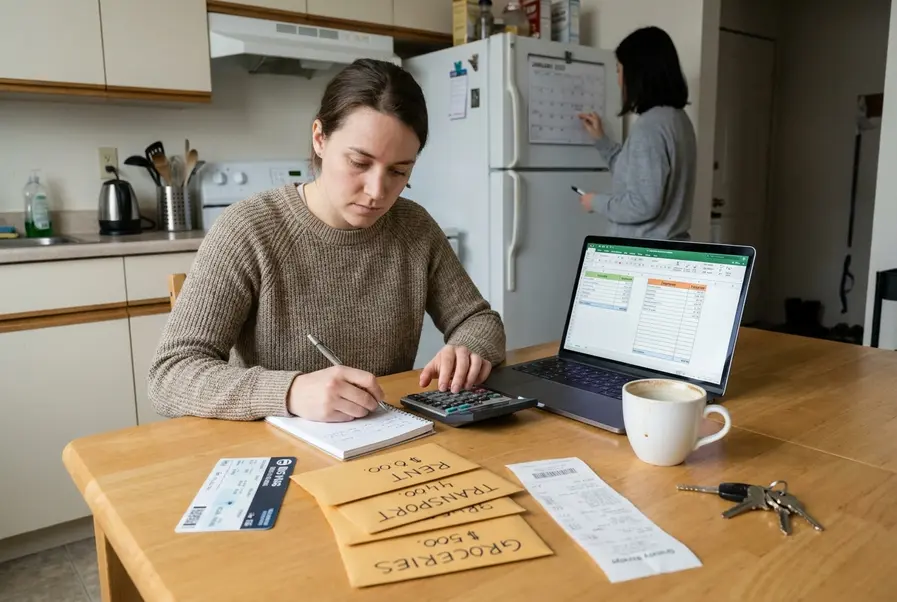
If you’re reading this, you probably know the feeling: payday is still a few days away, the taxi fare won’t negotiate, the fridge looks like it’s on a diet, and rent is sitting there like the boss level. How to Balance Groceries, Transport, and Rent on a Tight Budget isn’t just a catchy phrase, it’s a real life skill that can keep you calm, consistent, and in control even when money is tight. The good news is that you don’t need a finance degree or a perfect income to make it work. You need a realistic plan, a few smart habits, and a simple system you can stick to.
In this guide, you’ll learn practical steps to stretch your money across essentials, reduce financial stress, and avoid the cycle of shortfalls. You’ll also see where a small short term loan can fit in responsibly when life throws a surprise at you, because yes, surprises love tight budgets.
How to Balance Groceries, Transport, and Rent on a Tight Budget: start with the real numbers
Before you can balance anything, you need clarity. Tight budgets often feel chaotic because you’re trying to solve a maths problem without the full equation. Your first step is to list your income and your essential costs for the month.
Calculate your monthly income the honest way
Write down what you actually receive after deductions, not your gross salary. If your income varies, use a conservative average based on the last three months. If you get irregular cash like side gigs, treat that as bonus money, not money you rely on for rent.
Identify your “Big 3” essentials
For most people, the Big 3 are rent, transport, and groceries. These are non negotiable because they keep you housed, moving, and fed. Add minimum debt payments and basic utilities if they are unavoidable, but keep the focus on the Big 3 because that’s where the biggest trade offs happen.
Use a simple priority order
-
Rent first: because losing housing costs far more than saving a little on groceries.
-
Transport second: because without it you can’t earn or function.
-
Groceries third: because you can adjust meals and brands more easily than rent.
This priority order is the backbone of How to Balance Groceries, Transport, and Rent on a Tight Budget in a way that’s practical, not theoretical.
How to Balance Groceries, Transport, and Rent on a Tight Budget with a weekly spending plan
Monthly budgets look clean on paper, but tight budgets live day to day. Weekly planning is your secret weapon because it prevents “all the money disappeared in week one” syndrome.
Break your month into four money weeks
Take your monthly essentials and divide them into weekly targets. Rent may be paid monthly, but you can still “reserve” it weekly by moving money into a separate account or keeping it aside digitally. If your bank allows free transfers, create a rent pocket and pay yourself into it weekly.
Create weekly caps for groceries and transport
Weekly caps stop overspending early on. When you set a weekly grocery limit, you automatically make better choices like fewer impulse snacks and more planned meals. A weekly transport cap helps you spot patterns, like unnecessary extra trips that quietly burn cash.
Try the 3 envelope method, even if it’s digital
-
Rent envelope: money you don’t touch.
-
Transport envelope: your commuting and necessary travel funds.
-
Groceries envelope: your food money for the week.
You can do this with cash envelopes, separate accounts, or labelled wallet folders. The method matters less than the discipline: when an envelope is empty, spending stops.
Groceries: make your food money work harder
Groceries are usually the most flexible part of the Big 3. That’s good news, but only if you make changes that still keep you healthy, satisfied, and able to work. Tight budgeting isn’t about eating nothing. It’s about buying smarter.
Plan meals around affordable staples
Build your weekly meals around staples that stretch: rice, pap, oats, beans, lentils, eggs, seasonal vegetables, and affordable protein options. When you plan meals first, shopping becomes a mission, not a browsing session. This is one of the fastest ways to make How to Balance Groceries, Transport, and Rent on a Tight Budget actually stick.
Shop with a list and a calculator mindset
Go in with a list and a maximum spend. If you can, track the running total on your phone calculator as you shop. When you hit your limit, you swap items, you don’t “just add one more thing”.
Use store brands and seasonal choices
Store brands often match quality at a lower price. Seasonal produce is typically cheaper and fresher. If you want a reliable South African reference point for budget ideas and practical saving habits, you can browse articles on Old Mutual’s personal finance resources for extra tips.
Reduce food waste like it’s a pay rise
Food waste is money waste. Cook once, eat twice: leftovers become lunch. Freeze what you won’t use within two days. Tight budgets become much easier when you stop throwing away groceries you already paid for.
Transport: cut commuting costs without cutting your life
Transport can feel fixed, but there’s often room to trim. The key is to reduce “extra transport” while protecting the trips that keep your income stable.
Track your transport spending for two weeks
Write down every trip: taxis, buses, fuel, ride hailing, even small top ups. Two weeks of data usually reveals the problem, like frequent short rides that could be combined. Awareness is the first step in How to Balance Groceries, Transport, and Rent on a Tight Budget without feeling trapped.
Plan errands in clusters
Instead of multiple small trips across the week, pick one or two errand days. Combine shopping, airtime, and appointments. Less travel equals less spend, and also less time lost.
Set a “transport buffer” for price changes
Taxi fares and fuel costs can change, and your budget needs a cushion. Add a small buffer amount weekly, even if it’s just a little. When prices rise, you won’t need to steal from groceries or rent.
Rent: protect your housing first, then negotiate smartly
Rent is usually the biggest expense, and the least flexible. That’s exactly why it must be protected first. Late rent can trigger fees, stress, and sometimes a domino effect that makes everything else harder.
Pay rent as early as possible
If you can pay rent immediately after payday, do it. If you’re paid weekly, reserve a portion weekly so the full amount is ready by the due date. This single habit is one of the strongest anchors in How to Balance Groceries, Transport, and Rent on a Tight Budget.
If you’re struggling, communicate early
If you know you’ll be short, talk to your landlord before the due date. Propose a clear plan: partial payment now, balance on a specific date. Many landlords prefer communication and a plan over silence and missed payments.
Review housing costs realistically
If rent consumes most of your income and leaves you constantly short for food and transport, it may be time to consider a different arrangement. That might mean a roommate, a smaller place, or a location that reduces transport costs. It’s not always easy, but it can be the move that resets your finances.
How to Balance Groceries, Transport, and Rent on a Tight Budget when debt is in the background
Debt changes the whole game because it adds a fourth “must pay” category. The trick is not to ignore it and not to let it swallow everything either. You want a plan that keeps essentials stable while you reduce debt steadily.
Keep minimum payments non negotiable
Missing payments can lead to fees and more interest. Even when you’re tight, try to keep at least the minimum payment consistent. That keeps your debt from growing faster than your income.
Use a simple payoff strategy
Two popular methods are the snowball method and the avalanche method. Snowball focuses on paying the smallest debt first for motivation, avalanche focuses on the highest interest debt first to save money. Choose one and commit for 90 days before you change course.
Avoid “budget leaks” that create new debt
Small daily spending can quietly push you into borrowing again. Watch items like takeaways, subscriptions you forgot, and random convenience store purchases. Tight budgets need fewer leaks, not bigger promises.
When a short term loan can help and when it can hurt
Let’s be honest: sometimes your budget is balanced and life still happens. A medical expense, urgent car repair, or a gap between rent and payday can force you into a corner. A short term loan can be useful if it’s used for a real need, with a clear repayment plan, and not as a way to fund ongoing lifestyle spending.
Good reasons to consider short term borrowing
-
A once off emergency that affects your ability to work or stay housed
-
Preventing late rent penalties or service disconnections
-
Covering essential transport to protect your income
Red flags that a loan may make things worse
-
You’re borrowing to buy groceries every month because your budget is always short
-
You don’t know how you’ll repay, you’re hoping “something will come up”
-
You’re using a loan to pay another loan without a plan
If you decide that borrowing is the most responsible option for your situation, keep it simple and choose a reputable provider with a clear application process. If you need to understand how fast access to funds can work in practice, you can read about an instant cash loan process and what to prepare before applying.
And if you’re comparing options and timelines, it helps to review the basics again and confirm what you’ll repay and when. You can also explore how quick loan approval typically works so you can make a decision with your eyes open.
How to Balance Groceries, Transport, and Rent on a Tight Budget with a “safety mini fund”
A tight budget becomes less scary when you have even a tiny buffer. Think of it as your financial shock absorber. You don’t need thousands to start, you need consistency.
Start with a small weekly amount
Pick an amount that won’t break your essentials. Even a small weekly contribution builds momentum. Over time, that buffer can cover a taxi fare increase, a school request, or a basic grocery top up without derailing rent.
Keep it separate and slightly inconvenient
If your buffer is too easy to access, you’ll treat it like spending money. Keep it in a separate account, or at least separate from your daily card. The goal is to use it for genuine needs, not casual wants.
Use trustworthy budgeting guidance to stay consistent
When you need fresh ideas or local context, it helps to learn from credible sources. A useful place to expand your budgeting toolkit is Moneyweb’s budgeting section, which often covers South African cost of living realities and practical money habits.
FAQ
1. How do I start if I have no idea where my money goes?
Start by tracking every spend for seven days, even the small ones like airtime and snacks. Use your banking app, receipts, or quick notes on your phone, but make it complete. Once you see the pattern, you can decide what to cut without guessing, and that makes How to Balance Groceries, Transport, and Rent on a Tight Budget feel much more achievable.
2. What percentage of my income should go to rent on a tight budget?
Many guidelines suggest keeping housing costs within a reasonable portion of your income, but real life doesn’t always follow perfect rules. If rent takes so much that you regularly fail to cover transport and groceries, that’s a warning sign. Focus on stability first: rent must be paid, but your budget must also support food and the ability to get to work.
3. How can I cut groceries without feeling like I’m suffering?
Reduce costs by planning meals, buying staples, and limiting waste instead of simply buying less food. Choose filling, affordable meals that you can repeat, and use leftovers for lunch. You’ll feel better and spend less, which is exactly the point of How to Balance Groceries, Transport, and Rent on a Tight Budget.
4. My transport costs are unpredictable. What can I do?
Create a weekly transport target plus a small buffer, because unpredictability needs a cushion. Track your trips for two weeks and look for patterns like extra rides that could be combined. If possible, plan errand days and avoid last minute travel that costs more and adds stress.
5. When is it smart to use a short term loan to cover essentials?
It can be smart when it prevents a bigger problem, like losing income because you can’t get to work, or falling behind on rent with added penalties. It’s only responsible if you already know exactly how you will repay it and your next budget won’t collapse because of the repayment. If you’re borrowing repeatedly for monthly groceries, that’s a sign your budget needs restructuring rather than another loan.
6. How can I stay motivated when balancing rent, transport, and groceries feels impossible?
Keep your system simple and focus on small wins, like staying within your weekly grocery cap or reserving rent early. Tight budgets improve through repetition, not perfection. Each week you follow your plan, you build confidence, and How to Balance Groceries, Transport, and Rent on a Tight Budget becomes a habit instead of a struggle.
You don’t need to be perfect to make progress, you just need a plan you can actually follow. Keep rent protected, make transport predictable, and turn groceries into a smart weekly mission. If an unexpected expense hits and you need a fast, accessible financial solution, remember you don’t have to figure it out alone. Are you interested in applying for a loan or do you simply have a question? We’re happy to help. Please feel free to get in touch with us at Loan4Debt.