

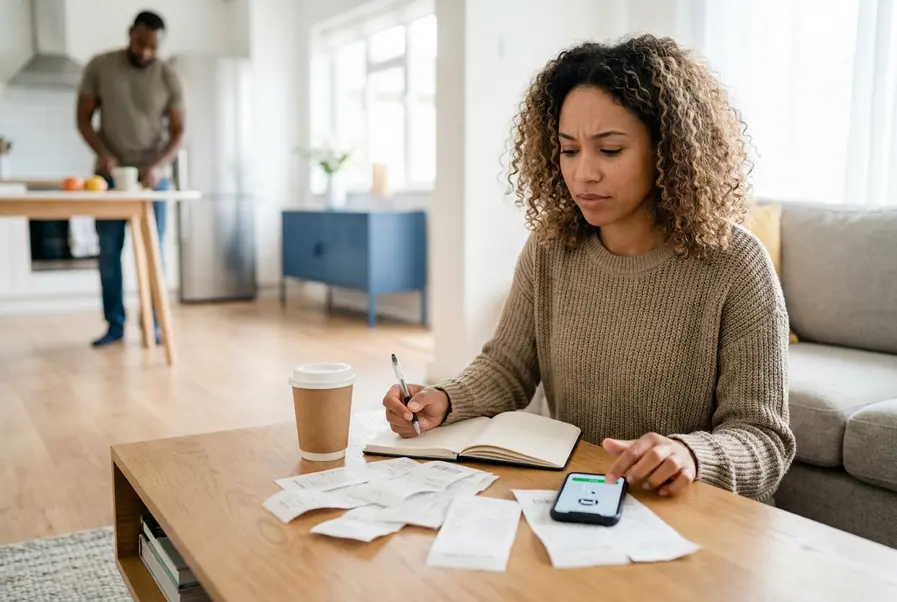
Why Small Money Decisions Have a Bigger Impact Than You Think is not just a catchy line, it is a practical truth that shows up in your bank balance, your stress levels, and even how quickly you can bounce back from unexpected expenses. If you have ever wondered how a couple of “small” swipes, app subscriptions, or quick credit choices can snowball into real financial pressure, you are not imagining it. The good news is that the same principle works in your favour too: small, consistent choices can quietly build stability, reduce debt, and make your next money move feel a lot less dramatic.
At Loan4Debt, we speak to people every day who are doing their best, yet still get caught by life’s expensive surprises: school costs, car repairs, medical bills, or a gap between paydays. You do not need a finance degree to take back control. You need a few smart systems, a realistic budget, and the ability to spot the tiny leaks that drain your money faster than you think.
Why Small Money Decisions Have a Bigger Impact Than You Think in real life
Let us make this simple. Big financial outcomes usually come from repeated small behaviours, not one massive event. Yes, a job loss or emergency can shake everything up. But day to day, it is usually the small decisions that decide whether you have a cushion or you are constantly scrambling.
Think about the everyday stuff:
- R20 to R60 convenience purchases that feel harmless in the moment
- Delivery fees and “service charges” you barely notice
- Buying now because it is on special, even though it was not on your list
- Paying only the minimum on debts because it feels easier this month
- Small bank charges that multiply across accounts and transactions
Each decision is minor on its own. Together, they can become the difference between being able to pay an unexpected bill with cash, or needing to take a short term loan, or falling behind on repayments.
Compounding works for your spending too
Most people think of compounding as something that happens with investments. True, compounding can be your best friend when you save and invest. But it also applies to your spending habits. If you “only” overspend by a small amount each week, you do not feel it immediately. Then a few months later, you are wondering where your money went and why your savings never grow.
If you want a solid explanation of how compounding affects saving and debt, the South African Reserve Bank provides reliable educational material and economic context that can help you connect the dots. You can explore more at South African Reserve Bank.
The psychology of small purchases
Small purchases are sneaky because they come with low “emotional friction.” You do not debate a R35 snack the way you debate a R3,500 appliance. But the brain does not naturally track the total of these quick decisions, especially when you pay by card or phone.
A practical approach is to stop asking, “Can I afford this right now?” and start asking, “Do I want to keep paying for this every week?” That single reframing helps you see the long term impact of short term choices.
Why Small Money Decisions Have a Bigger Impact Than You Think when you budget
Budgeting is not about restricting your life. It is about deciding what matters and making sure your money follows that plan. If your budget feels like a punishment, it will not last. If your budget feels like a strategy, it becomes empowering.
Here is the big shift: your budget should focus on your smallest categories first, not only the large ones like rent. Yes, housing and transport matter a lot, but most people have limited flexibility there. Your flexible spending categories are where the wins happen.
Micro budgeting: the “small categories” audit
Do a quick audit of categories that often hide in plain sight:
- Bank fees and paid account add ons
- Subscriptions and apps you forgot about
- Data and airtime top ups that are not planned
- Convenience food and coffees
- Small “treats” that happen frequently
Pick just one category to improve this month. Not five. Not twelve. One. That is how you avoid burnout while still getting real results.
Create a “low effort” weekly money ritual
The best budgeting system is the one you actually use. A simple weekly check in can be enough:
- Look at your balance and upcoming debit orders
- Track your top three spending categories for the week
- Move a small amount to savings immediately, even if it is R50
- Set a realistic limit for variable spending until your next payday
Small, repeated check ins prevent those end of month surprises where your account says “not today.”
Why Small Money Decisions Have a Bigger Impact Than You Think for debt and repayments
Debt is not only about the amount you owe. It is also about the behaviour around repayment. Small repayment choices create big differences in total cost and how fast you become debt free.
Minimum payments are a “small decision” with big consequences
Paying the minimum can feel like you are doing the responsible thing because you are technically up to date. But the small decision to pay only the minimum often extends repayment timelines and increases the total interest you pay. If you can add even a small extra amount consistently, you reduce the principal faster and shorten the debt cycle.
If you want to keep your budgeting mindset sharp with practical South African focused guidance, you can read more about budgeting habits and financial planning at Old Mutual Articles.
Late fees and penalties are expensive “tiny” mistakes
One missed or late payment can trigger fees, higher interest, and sometimes a knock to your credit profile. It is rarely just one fee. It often creates a chain reaction: your next budget gets tighter, you use more short term credit, and you are suddenly playing catch up.
A simple fix is to set payment reminders a few days before due dates and automate what you can. If your income is irregular, schedule reminders around the day you typically receive money, and keep a small buffer for essential repayments first.
Practical ways to make small money decisions work for you
Now for the fun part: turning the “small decisions” effect into your advantage. You do not need extreme frugality. You need consistency and a few clever guardrails.
Use the 24 hour pause rule for impulse spending
If you want something that is not essential, pause for 24 hours. Add it to a notes app or a wish list instead of buying instantly. You will be surprised how often the urge disappears. When it does not disappear, you can plan the purchase without damaging your essentials.
Build a mini emergency fund, even if it feels too small
A small emergency fund is still an emergency fund. Start with a realistic target like R500, then R1,000, then one month of essentials. The amount is less important than the habit. When the next surprise hits, you will have options instead of panic.
Keep your “must pay” list sacred
Write down your non negotiables: rent, electricity, transport, food basics, and key debt repayments. Pay or reserve money for these first. Then decide what is left for flexible spending. This order of operations is a simple small decision that prevents big chaos later.
Why Small Money Decisions Have a Bigger Impact Than You Think when cash is tight
When money is tight, every choice feels heavier. This is exactly when small decisions matter most. The goal is not perfection. The goal is damage control and smart prioritisation, so one tough week does not become a tough year.
Choose “cheaper, not zero”
If you cut everything to zero, you will likely rebound and overspend later. Instead, choose cheaper alternatives that still let you enjoy life. For example, reduce takeaways to once a week, or switch to a more affordable data bundle. Sustainable changes beat dramatic short term sacrifices.
Plan for predictable surprises
Not all “unexpected” expenses are truly unexpected. School trips, annual renewals, car maintenance, and holiday spending happen repeatedly. A small monthly sinking fund for these costs can prevent last minute borrowing and reduce stress. Even R100 per month into a dedicated category helps.
Using short term credit responsibly when needed
Sometimes, even with good habits, you still need a financial bridge. A short term personal loan can be helpful when it is used intentionally: for a real need, with a clear repayment plan, and within what your budget can handle.
If you need access to money quickly, you can explore our instant cash loan options and see what fits your situation. The key is to borrow with clarity: know the amount you need, avoid borrowing extra “just in case,” and align repayments with your income schedule.
A smart checklist before you apply
- Confirm the exact shortfall amount and what it will cover
- Review your next pay date and essential bills first
- Decide how you will repay without missing other obligations
- Use the loan to solve a problem, not to delay one
Loan4Debt is built for speed and simplicity, but the best outcome always comes from combining fast access with smart budgeting decisions.
FAQ: Why Small Money Decisions Have a Bigger Impact Than You Think
1. Why do small purchases feel harmless but cause real financial stress later?
Small purchases feel harmless because they do not trigger the same caution as bigger expenses, especially when you tap to pay. They also tend to be frequent, which means they accumulate quietly over time. When you finally look at your statement, the total is large, but the individual transactions were so small that you did not “feel” them as a problem in the moment.
2. How can je reduce overspending without feeling deprived?
Start by reducing frequency, not eliminating everything. If you love small treats, plan them into your budget so they are guilt free and controlled. Most people succeed when they build a budget that allows enjoyment, because it is easier to stick to long term.
3. What is the fastest small change that improves my budget immediately?
Track your spending for seven days and pick one category to adjust, like convenience food or subscriptions. Cancel or pause one unused subscription, or set a weekly cap for takeaways and stick to it. This creates an instant improvement without needing a full financial overhaul.
4. How do small repayment increases help me get out of debt sooner?
Even a small extra payment reduces your principal, which can reduce the interest you pay over time and shorten your repayment period. The earlier you apply extra money to debt, the bigger the impact tends to be. Consistency matters more than size, so a small extra amount every month often beats occasional large payments.
5. When does it make sense to consider a short term loan?
A short term loan can make sense when you face a genuine urgent expense and you have a clear, realistic plan to repay on time. It is most useful as a bridge, not as a long term solution for ongoing overspending. If you are exploring this route, you can review our quick payout personal loan solutions and choose an amount that matches the actual need.
6. How can je stop living “payday to payday” using small decisions?
Build a tiny buffer first, even if it is just R200 that you do not touch. Then automate one small savings transfer right after payday so you pay yourself before spending starts. Over time, these small actions create breathing room, which reduces the need for last minute borrowing and makes budgeting feel far easier.
Bringing it all together
Why Small Money Decisions Have a Bigger Impact Than You Think is ultimately about power. Not the loud, dramatic kind, but the quiet kind you build through daily choices: tracking one category, paying a little extra on debt, setting one reminder, saving one small amount. Those actions may feel modest, but they change your financial direction.
Are you interested in applying for a loan or do you simply have a question? We’re happy to help. Please feel free to get in touch with us at Loan4Debt.