

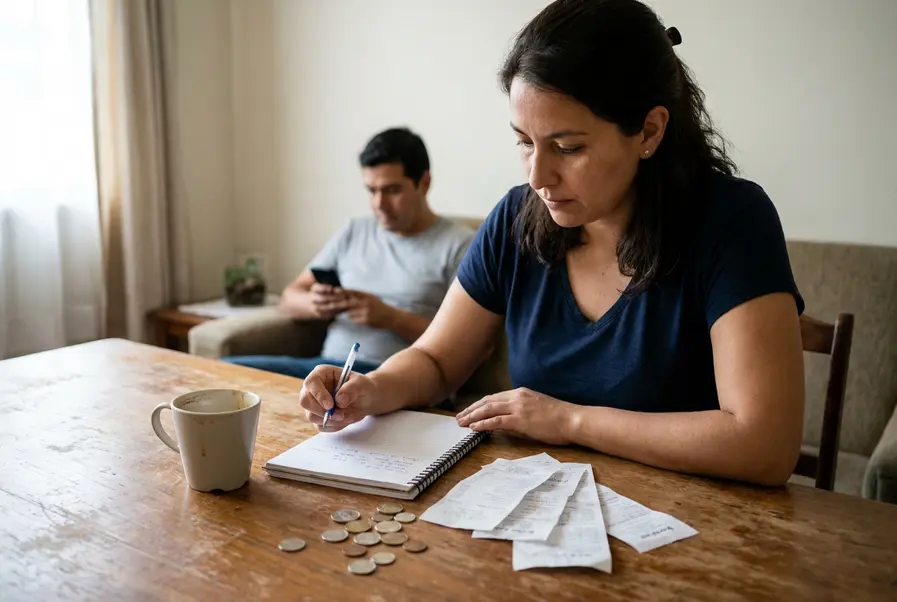
When money feels tight, it is tempting to avoid looking at your bank balance and just “wing it” until payday. But if you want real control and fewer nasty surprises, a simple budget for low income households is your best friend. It is not about perfection or guilt. It is about building a clear, realistic plan that helps you cover essentials, reduce debt stress, and still leave a little room to breathe, even when your income is modest.
At Loan4Debt, we meet South Africans every day who are dealing with sudden expenses, growing debt, or gaps between paydays. Budgeting is one of the fastest ways to feel calmer and more confident, whether you are trying to avoid borrowing, borrowing less, or using a short term loan wisely. In this guide, you will get a practical, step by step approach to building a simple budget for low income households that actually works in real life, not just on paper.
Why a simple budget for low income households matters more than ever
If your income is low, every rand has a job. That means small leaks like extra bank fees, unplanned takeaways, or forgotten subscriptions can create big problems. A simple budget for low income households is not “financial admin”. It is a survival tool that helps you decide what comes first, what can wait, and what needs to be cut.
Budgeting also helps you stop reacting and start planning. Instead of scrambling when the school needs money or the taxi fare goes up, you have a plan and a buffer. Even if your buffer is small at first, it changes your mindset and your options.
Budgeting is not just for “rich people”
There is a myth that budgets are only useful when you have lots of money to allocate. In reality, budgeting is most powerful when you have limited income. A simple budget for low income households gives you a way to prioritize food, rent, transport, and debt payments without guessing.
And no, you do not need fancy apps or spreadsheets. You need a workable system you can repeat every month, even when life gets messy.
Who is Loan4Debt and how we fit into your money plan
We are Loan4Debt, an online lending platform in South Africa that provides fast personal and payday loan options for people who need money quickly. We keep the loan application process simple with an easy online form and quick approval. Once approved, funds can be transferred to your bank account in a short time.
Our mission is to provide fast and accessible financial solutions when you face unexpected expenses or debt. A simple budget for low income households helps you borrow more responsibly by making sure you understand what you can afford to repay. If you ever decide to apply, you can use our quick loan application process to get started with less hassle.
Build a simple budget for low income households in 7 practical steps
Here is the good news: a budget does not need to be complicated to be effective. The goal is clarity, consistency, and small improvements that stack up over time. Use these steps to create a simple budget for low income households that you can maintain month after month.
1) Write down your real monthly income
Start with what actually lands in your bank account or wallet. Include wages, grants, side income, and any regular support you receive. If your income changes, use a conservative estimate, for example your lowest typical month, to avoid overcommitting.
If you are paid weekly or fortnightly, convert it to a monthly number. A simple budget for low income households must be based on reality, not hope.
2) List essentials first and be brutally honest
Essentials are non negotiables such as rent, electricity, water, basic food, transport to work, childcare, and minimum debt repayments. Write down each item and its amount. If you are not sure, check your bank statements, receipts, or airtime purchase history.
This is where many people realize they are underestimating costs. That is normal. The budget is not judging you, it is showing you the truth so you can make smarter choices.
3) Track variable spending for one week (yes, just one week)
You do not need a 3 month tracking marathon. Track one week of variable spending like snacks, takeaways, airtime, data, and small household items. Multiply it by four to get a rough monthly figure. Then adjust after your first month of budgeting.
This step makes a simple budget for low income households feel “real” because it captures the small spends that often break the plan.
4) Separate needs, must pays, and wants
Create three buckets in your mind. Needs are essentials like food and transport. Must pays are obligations like debt repayments and school fees. Wants are things that make life enjoyable but are not required to survive.
When income is tight, you are not “bad” for having wants. You just need to plan them intentionally. Even a small treat budget can reduce binge spending later.
5) Use a simple rule to allocate what is left
Many people know the 50 30 20 guideline, but for low income households it can be unrealistic. Instead, aim for a custom split that respects your reality. For example, if essentials are 80 percent right now, that is where you start.
The key is to create a simple budget for low income households where every rand is assigned: essentials, debt, savings, and planned spending. No “mystery money” is allowed.
6) Add a micro emergency fund, even if it is tiny
A micro emergency fund is not a luxury. It is a practical shield against borrowing for every small crisis. Start with a goal of R100 to R500, then build towards one month of essentials over time.
According to the Consumer Financial Protection Bureau guidance on emergency funds, even a small buffer can help you stay afloat when unexpected costs hit. This is exactly why a simple budget for low income households should include savings from day one, even if it is just a little.
7) Review weekly, not monthly
Monthly reviews are too late when money is tight. Check your budget weekly, or even every few days, especially around payday and mid month. It takes five minutes and can prevent overdraft fees, missed payments, or panic borrowing.
A simple budget for low income households becomes powerful when you treat it like a living plan rather than a once off document.
Simple budget for low income households: a realistic example
Let us keep it straightforward. Imagine your household income is R6,000 per month. Your essentials and obligations might look like this:
- Rent or contribution to household: R2,000
- Electricity and water: R600
- Food and basics: R1,800
- Transport: R900
- Airtime and data: R300
- Debt minimum payment: R300
- Micro emergency fund: R100
That totals R6,000. In this scenario, the budget is tight, but it is clear. The next goal is to find small optimizations, like reducing airtime costs, planning meals, or negotiating debt repayments, so you can free up even R100 to R300 for extra debt payment or savings. This is exactly how a simple budget for low income households improves over time: small wins, repeated.
Cutting costs without making life miserable
Budgeting should not feel like punishment. The best savings strategies are the ones you can keep doing. Here are practical ways to reduce spending while keeping your sanity intact.
Lower your food spend with planning, not suffering
Plan meals around affordable staples and shop with a list. Cook once, eat twice by using leftovers for lunch. Compare prices across shops when possible, but do not waste transport money chasing “deals”.
A simple budget for low income households often succeeds or fails on food spending, so even small improvements here have a big impact.
Control data and airtime like a pro
Track what you are spending and choose bundles that match your actual usage. Use Wi Fi where it is safe and available. Cancel or pause subscriptions you are not using, even if they feel small.
Small recurring costs can quietly destroy a simple budget for low income households, so keep a close eye on them.
Bank fees and “silent” costs
Review your bank charges and try to reduce unnecessary fees. Avoid frequent cash withdrawals if they cost extra. Keep receipts and watch for penalties or late fees, since those are often completely avoidable with planning.
Debt, borrowing, and budgeting: how to stay in control
Debt is not automatically “bad”, but unmanaged debt is expensive and stressful. A simple budget for low income households should always include a debt plan: minimum payments first, then a strategy for reducing balances faster when you can.
Prioritize high cost debt first
If you have multiple debts, focus extra payments on the most expensive one, while still paying minimums on the others. This reduces interest over time and helps you get out of debt faster. Keep it simple, consistency beats complexity.
Use short term loans only with a clear repayment plan
Sometimes unexpected expenses happen and you need cash quickly. If you choose a personal or payday loan, your budget must show exactly how you will repay it without skipping essentials. Before you borrow, confirm your repayment date, repayment amount, and what you will cut back to make room.
If you are considering a loan, you can review our quick loan application option and make sure it fits your budget before you submit. A simple budget for low income households makes borrowing a calculated decision, not a panic move.
Tools that make a simple budget for low income households easier
You do not need complicated tech. Use what you will actually stick to. The best tool is the one you enjoy using enough to keep going.
- Notebook method: Write income and expenses, then tick off items as you pay them.
- Envelope method: Separate cash for categories like food and transport so you cannot overspend.
- Bank alerts: Set notifications for low balances and debit orders.
- Calendar planning: Mark payment dates and payday to avoid late fees.
If you want more practical budgeting ideas and South African money news, Moneyweb often shares budgeting insights and consumer finance updates. Here is a helpful section to browse: Moneyweb budgeting articles.
Common mistakes that break a simple budget for low income households
Most budgeting mistakes are not about math. They are about habits and assumptions. Fix these and you will feel the difference quickly.
Forgetting irregular expenses
School costs, uniforms, birthdays, annual fees, and holiday travel can hit hard. Add a small monthly amount to a “future costs” category. This makes a simple budget for low income households more stable.
Being too strict, then giving up
If your budget leaves you with zero flexibility, you will rebel against it. Plan a small amount for enjoyment, even if it is R50. A budget you can live with beats a perfect budget you abandon.
Not adjusting after the first month
Your first budget is a draft. Track what happened, then adjust. A simple budget for low income households should evolve as your costs, income, and goals change.
FAQ: simple budget for low income households
1) How do I start a simple budget for low income households if my income changes every month?
Use your lowest typical month as the base income so you do not plan money that might not arrive. When you earn more, treat the extra as a bonus and assign it intentionally, for example to groceries, debt, or savings. Over time, you can use an average of the last three months, but keep the plan conservative.
2) What if my essentials already exceed my income?
This is more common than people admit, so do not feel alone. Start by separating true essentials from costs that can be reduced, negotiated, or delayed, like moving to cheaper transport options or renegotiating repayment arrangements. If the gap is still there, you may need an income boost plan and a short term bridge solution, but it must be paired with a clear repayment strategy.
3) Should I save money or pay off debt first?
Ideally, do both in a small and realistic way. Build a tiny emergency buffer first, even R100 to R500, so you do not need to borrow for every surprise. After that, focus on debt reduction while maintaining a small savings habit, because a simple budget for low income households works best when it prevents new debt.
4) How can I budget if I am paid weekly?
Weekly pay can actually be helpful because you can plan in smaller cycles. Create a weekly version of your simple budget for low income households by dividing monthly bills into weekly amounts, then set that portion aside each week. This reduces the risk of spending the money before the bill is due.
5) What is the easiest budgeting method for beginners?
The easiest method is the one you will keep using, and for many people that is the notebook or envelope method. Write down income, list essentials, and allocate fixed amounts to food, transport, and debt. Keep it simple, review weekly, and adjust as you learn what your real spending looks like.
6) When does a loan make sense in a tight budget?
A loan can make sense when the expense is urgent, unavoidable, and you have a clear plan to repay without skipping essentials like rent and food. Your simple budget for low income households should show exactly where the repayment will come from, including what you will reduce or pause. If the numbers do not work, borrowing can increase stress, so it is better to explore alternatives or adjust the plan first.
Bring it all together and keep it simple
A simple budget for low income households is not about fancy templates or perfect discipline. It is about making your money decisions upfront, protecting the essentials, and building small buffers so unexpected costs do not derail your life. If you keep it realistic, review it weekly, and improve it bit by bit, you will feel more in control and less anxious about money.
Are you interested in applying for a loan or do you simply have a question? We’re happy to help. Please feel free to get in touch with us at Loan4Debt.