

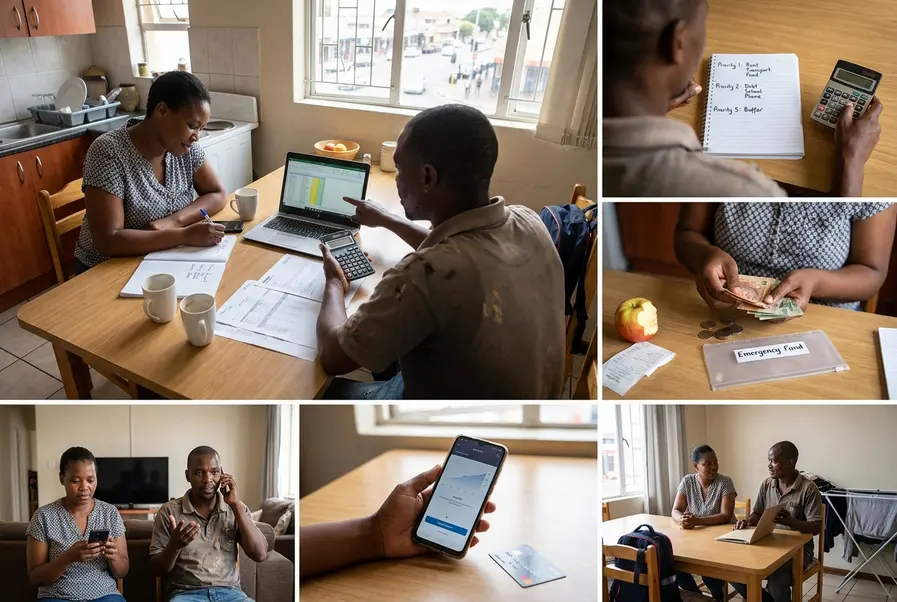
low income planning is not about living on instant noodles forever or turning your life into one giant spreadsheet. It is about making your money behave, even when your income feels tight and your costs feel loud. If you are in South Africa and you are juggling rent, transport, groceries, data, school expenses, and maybe a bit of debt on top, you are not failing, you are just playing the game on a harder level. The good news is that with the right plan, a few smart habits, and a realistic approach to credit, you can create breathing room and reduce stress without pretending you have a “perfect” income.
At Loan4Debt, we see it every day. People do not usually borrow because they want to. They borrow because life happens. A tyre bursts, a child gets sick, the fridge dies, or a debit order hits two days early. This guide gives you a practical, upbeat roadmap for low income planning that fits real life, including how to budget, how to build a small emergency buffer, and when a fast personal or payday loan could be a sensible short term tool rather than a long term trap.
What low income planning really means
Low income planning is the skill of matching your spending and saving to a smaller income without sacrificing essentials or falling into constant debt. It combines budgeting, prioritising, negotiating bills, tracking your cash flow, and using credit carefully. The goal is not to be “cheap.” The goal is to be intentional, so your money supports your needs first and your wants second.
In practice, low income planning usually focuses on three priorities:
- Stability: keep housing, food, transport, and utilities covered.
- Protection: build even a tiny emergency fund to avoid repeated borrowing.
- Progress: reduce high cost debt, improve your credit habits, and create future options.
Why low income planning matters in South Africa
When income is limited, one unexpected expense can cause a chain reaction: missed payments, penalty fees, account arrears, and then stress borrowing. Low income planning reduces that risk because you are planning for reality, not for a “perfect month.” It also helps you see patterns like weekend spending creep, silent subscriptions, and debit orders that feel small but add up fast.
It is also important to remember that South African credit is regulated. Understanding your rights and responsibilities helps you borrow safely. You can learn more about consumer rights and credit rules via the National Credit Regulator at the National Credit Regulator.
Low income planning starts with a clear money picture
If you want low income planning to work, you need visibility. Not guesswork. Start with a simple money snapshot for the last 30 days.
Step 1: List your income (and be honest about variability)
Include salary, wages, overtime, tips, side hustles, child support, family support, and any irregular income. If your income changes month to month, use a conservative average or plan on your lowest likely month. Low income planning works best when your plan is “safe” rather than optimistic.
Step 2: Track every expense for a month
Write down everything, including cash. Bank statements only show part of the story when you pay taxi fare, airtime, or small daily items in cash. If you hate tracking, keep it simple: use notes on your phone and record spending immediately. After 30 days, sort spending into essentials and non essentials.
Step 3: Separate needs from nice to haves
Needs are housing, basic food, transport to work, electricity, school basics, and critical debt payments. Nice to haves can include entertainment, takeaways, premium data bundles, and impulse shopping. You do not need to remove all joy from your life, but low income planning asks you to choose joy intentionally.
A realistic budget framework for low income planning
Classic budgeting rules like 50 30 20 are often too tight for low incomes where essentials are already more than 50 percent. A better approach is a priority based budget that starts with survival and then builds upward.
The “Priority First” budget
- Priority 1: Housing, utilities, basic food, transport to work, medical needs.
- Priority 2: Minimum debt payments, insurance, school costs, communication for work.
- Priority 3: Small savings buffer, even if it is only a little.
- Priority 4: Flexible spending, fun money, and lifestyle upgrades.
Low income planning becomes easier when you pre decide what gets paid first. That way, you are not making the same stressful decision every week.
Low income planning tactics that free up cash fast
You do not always need a massive income increase to create breathing room. Sometimes you need better cash flow. Here are practical moves that often make a real difference.
Cut “silent spending” without feeling punished
Silent spending is the stuff you barely notice: bank fees, unused subscriptions, repeated small takeaways, and extra data purchases. Cancel what you do not use and downgrade what you can. If you want low income planning to stick, keep one small treat line item so you do not feel like you are constantly “on a diet.”
Negotiate or switch where possible
Ask your service providers about cheaper packages, specials, or payment arrangements. If you have insurance, review it once a year and compare options. Even small reductions can add up across several categories, and low income planning is basically a game of small wins.
Use a weekly budget for categories that tend to explode
Groceries and transport are common trouble spots. Convert your monthly budget into a weekly allowance and check in every week. This keeps you from spending half the grocery money in the first 10 days and then “mysteriously” needing credit later.
Debt and low income planning: break the cycle gently but firmly
If you are carrying debt, low income planning should include a debt strategy that matches your reality. You do not need to tackle everything at once, but you do need a plan.
Choose a payoff method you can stick to
- Snowball method: pay smallest debts first for motivation, then roll payments into the next one.
- Avalanche method: focus on highest interest first to reduce total cost.
If your motivation is low and stress is high, the snowball method often helps because progress is visible quickly. If your numbers are tight and interest is heavy, avalanche can be cheaper. Either way, low income planning becomes powerful when you have a clear order and a fixed monthly amount going toward debt.
Avoid “minimum payment comfort”
Minimum payments can keep you afloat, but they can also keep you in debt longer. If you can add even a small extra amount to one account, do it consistently. In low income planning, consistency beats intensity every time.
Emergency funds: the secret weapon in low income planning
An emergency fund is what stops every surprise from becoming a debt problem. You do not need a huge amount to start. The first goal is a mini buffer that covers small shocks like transport issues, a prescription, or a basic repair.
Start with a “first cushion” target
A realistic first cushion could be the cost of one week of essentials. If that feels impossible, start with a smaller target and build from there. Low income planning is not about big dramatic changes, it is about building a system you can maintain.
Make saving automatic, even if it is tiny
Set a small transfer on payday, then pretend it does not exist. If your income is irregular, save on good weeks and protect that money on tough weeks. For more ideas on building better money habits, you can explore budgeting guidance at Old Mutual’s personal finance articles.
When a short term loan can fit into low income planning
Loans are tools. A tool can help you build, or it can cause damage if it is used at the wrong time. In low income planning, a short term loan can make sense when it prevents bigger costs or helps you cover an essential expense that cannot wait.
Examples where a short term loan may be reasonable:
- You have a once off urgent expense and you can repay from your next income cycle.
- Paying now avoids bigger costs, like penalty fees, reconnection fees, or missing work due to transport problems.
- You are consolidating small high fee debts into a simpler repayment plan, and the numbers truly work.
Examples where it can be risky:
- You need a loan every month just to cover basics.
- You are borrowing for non essentials while essentials are not secure.
- You do not know how repayment will fit into your budget.
If you do decide to borrow, make sure the repayment amount fits into your low income planning budget before you apply. Think of borrowing as a bridge, not as a new normal.
How to apply responsibly with Loan4Debt
Loan4Debt is an online lending platform in South Africa offering fast personal and payday loan options when you need money quickly. The process is designed to be simple, with an online application form, quick approval, and fast transfer to your bank account once approved. Speed is useful, but good decisions are even better, so use your budget as your “truth filter” first.
Use a quick cash option for genuine short term needs
If your situation is urgent and you need a fast solution, you can review our guide to getting an instant cash loan in minutes and see how the process works. Before committing, confirm the repayment date and amount, and make sure essentials are still covered. This is low income planning in action: you are planning the repayment before the money arrives.
Plan your repayment like a bill, not like a hope
When you borrow, add the repayment into your budget immediately. Treat it like rent or electricity. If you are paid weekly or biweekly, break the repayment into smaller “set aside” amounts so it does not hit you all at once.
Low income planning checklist you can use today
Here is a simple checklist that works whether you earn a steady salary or your income changes month to month.
- List all income sources and choose a safe planning number.
- Identify your top five essentials and protect them first.
- Track spending for 30 days and spot your biggest leaks.
- Create a weekly grocery and transport plan.
- Set a mini emergency fund target and start small.
- Choose a debt payoff order and commit to one extra payment if possible.
- If borrowing is needed, plan repayment before applying.
Common low income planning mistakes (and how to avoid them)
Being too strict, then giving up
Extreme budgets often fail because they ignore real life. Leave a small amount for flexible spending so you do not feel trapped. Low income planning should feel supportive, not punishing.
Ignoring irregular expenses
School trips, uniforms, annual renewals, and holidays are predictable, even if they are not monthly. Create a “future expenses” line item, even if it is small. This is one of the fastest ways to reduce surprise borrowing.
Borrowing without a repayment plan
Speed can be tempting when you are stressed. But low income planning requires a repayment plan that fits your cash flow. If you cannot see where repayment comes from, pause and adjust first.
FAQ about low income planning
1. What is the easiest way to start low income planning if I feel overwhelmed?
Start with one small action: track every expense for seven days. This quickly shows you where money is leaking and which costs are non negotiable. Once you see the pattern, low income planning becomes less emotional and more practical, because you are working with real numbers.
2. How much should I save each month with low income planning?
The best amount is the amount you can save consistently, even if it is small. Many people start with a tiny fixed amount on payday and increase it when possible. Low income planning is about building a habit and a buffer, not about reaching a perfect savings percentage overnight.
3. Can low income planning help if I have debt already?
Yes, because a plan helps you stop the debt from growing and start reducing it step by step. Begin by listing all debts with their minimum payments, due dates, and interest or fees. Low income planning then helps you pick a payoff method and protect essentials so you do not keep borrowing to cover basics.
4. When does a payday or personal loan make sense in low income planning?
A short term loan can make sense when it covers an essential expense that cannot wait and you have a clear plan to repay it from your next income cycle. It is also useful when paying now prevents bigger costs, like penalties or losing work opportunities. Low income planning requires you to budget the repayment first, so the loan solves a problem instead of creating a new one.
5. How can I avoid needing a loan every month?
Focus on building a small emergency fund and creating a weekly spending plan for your most variable categories. Also review recurring costs like subscriptions, bank fees, and services you can downgrade, because these often cause “end of month” pressure. Over time, low income planning reduces how often you face cash gaps, which reduces reliance on credit.
6. What should I check before applying for a fast loan online?
Check the total repayment amount, the repayment date, and whether the payment fits comfortably into your budget after essentials. Make sure you understand the terms and only borrow what you truly need. If you want to understand the process and timing better, you can read about fast loan approval and payout options and compare that to your situation.
Bring it all together: low income planning that actually works
Low income planning works when you keep it simple, realistic, and repeatable. Protect essentials, track spending, build a small buffer, and tackle debt with a plan you can stick to. If you choose to borrow, do it with a clear repayment strategy so the loan supports your goals instead of draining your next month.
Are you interested in applying for a loan or do you simply have a question? We’re happy to help. Please feel free to get in touch with us at Loan4Debt.