

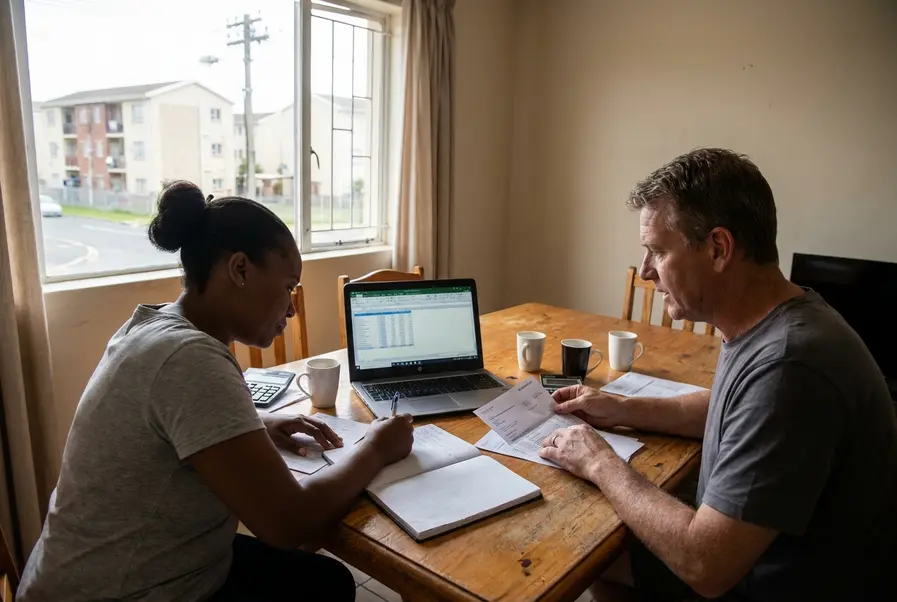
When an unexpected bill pops up, it can feel like your wallet is playing practical jokes on you. That is exactly why expense discipline matters. If you master it, you are not just “being good with money” in theory, you are actively reducing stress, avoiding unnecessary debt, and keeping your financial life in South Africa a lot more predictable. And yes, you can still have a life, enjoy small treats, and keep things fun while you do it.
At Loan4Debt, we work with people who need money quickly, often because life happened: car repairs, medical costs, school expenses, or a month where everything decided to break at once. The goal of this guide is to help you build expense discipline in a practical, realistic way, so you can make smarter choices today and set up a smoother money tomorrow.
What expense discipline really means (and why it is not “being strict”)
Expense discipline is the habit of spending with intention. It is not about punishing yourself or cutting every enjoyable thing from your life. It is about aligning your spending with what you actually value, and making sure short term decisions do not derail your longer term goals.
Think of expense discipline as a personal “spending filter.” Every time you spend, you quickly check: Is this essential, planned, or worth it? If yes, great. If not, you delay, reduce, or skip it without guilt.
In the South African context, expense discipline is extra important because many households face rising food and fuel costs, unstable income patterns, and limited emergency savings. When money is tight, disciplined spending gives you more control even when you cannot control the economy.
Expense discipline and cash flow: the foundation you can actually manage
Before you can improve expense discipline, you need to understand your cash flow. Cash flow is simply the money coming in versus the money going out. If you do not know your numbers, your budget becomes guesswork and your discipline becomes “hope.”
Step 1: List your income streams clearly
Write down your net income after deductions. Include salaries, side gigs, freelance work, commissions, and regular support from family if it is consistent. If income changes month to month, use an average of the last three to six months so you are not building a fantasy plan.
Step 2: Sort expenses into fixed, variable, and “sneaky”
Fixed expenses include rent, bond payments, insurance, transport passes, and school fees. Variable expenses include groceries, electricity, airtime, and fuel. Sneaky expenses are the ones that quietly eat your money: delivery fees, banking fees, subscriptions, impulse buys at the till, and frequent small takeaways.
This is where expense discipline starts to shine, because sneaky expenses are often the easiest to cut without harming your quality of life.
How to build expense discipline without feeling miserable
Discipline that feels like suffering does not last. You want systems that make the right choice easier, and the wrong choice slightly inconvenient. That is the sweet spot.
Use a simple budget method you will actually follow
You do not need a complicated spreadsheet to have expense discipline. Start with a basic structure and improve it later. Many people do well with a 50 30 20 style guideline: needs, wants, and savings or debt repayment. If those percentages do not fit your reality, adjust them and keep the categories.
If you want a reputable budgeting resource to expand your approach, the Moneyweb budgeting section regularly covers South African money topics and practical budgeting ideas.
Create “money rules” for your most common spending triggers
Expense discipline becomes easier when you pre decide how you will handle temptation. Set a few rules that match your lifestyle. For example, you might decide that takeaways are limited to once a week, or that clothing purchases only happen with a 24 hour wait.
You can also use rules for online shopping. For example: if it is not on your list, you leave it in the cart overnight. Often the next day, you do not even want it anymore. Your future self will thank you.
Try cash stuffing, digital envelopes, or separate accounts
If you struggle to keep spending under control, separate your money into categories. Some people prefer cash for groceries and entertainment because it creates a clear limit. Others prefer digital envelopes, where you allocate funds into separate wallet categories.
Even a second bank account for bills can boost expense discipline. You deposit your bill money there and do not touch it. That way, you do not “accidentally” spend rent money on a weekend that got a little too exciting.
Expense discipline when you are dealing with debt
If you have debt, expense discipline is not about shame. It is about strategy. The goal is to stop the debt from growing while you build a plan to reduce it.
Prioritise high cost debt first
Focus on debts with the highest interest or fees first, while paying minimums on the rest. This is often called the avalanche method. It can save you money over time and keeps the repayment process more efficient.
Use the “pause, plan, pay” approach to avoid new debt
Before you borrow again, pause and confirm the expense is necessary and urgent. Then plan: can you reduce the cost, delay it, or split it over time without fees? If borrowing is still the best option, pay with intention by choosing a repayment you can realistically manage.
If you are facing a true emergency and you need funds quickly, it helps to understand the options available. You can read more about urgent cash loan options and what to consider before applying.
Common expense discipline mistakes (and how to fix them fast)
Most people do not fail because they are “bad with money.” They fail because their system has holes. Here are a few common patterns and quick fixes.
Mistake 1: Budgeting for a perfect month
A perfect month is lovely, but it is also rare. Real life includes birthdays, taxi fare changes, school notices, medical co payments, and that one surprise expense that appears like clockwork. Fix this by building a buffer line in your budget for “unexpected but likely” costs.
Mistake 2: Underestimating food and transport costs
Groceries and transport are often the biggest variable expenses. If you under budget them, you will keep “borrowing” from other categories, which breaks your expense discipline. Track these two categories weekly for one month and adjust your plan based on reality, not hope.
Mistake 3: Ignoring small recurring charges
Subscriptions and recurring app charges feel small, but they add up quickly. Review your bank statements and list every recurring debit order or card charge. Cancel what you do not use or downgrade to a cheaper plan.
Mistake 4: Trying to cut everything at once
Going extreme often backfires. It can lead to binge spending later because you feel deprived. Instead, cut one or two categories first, then lock in the habit, then improve the next category.
Expense discipline for irregular income in South Africa
If your income changes month to month, expense discipline is still possible, but you need a different approach. The key is to budget from a minimum baseline income, then assign extra income to priorities.
Build your budget around the lowest likely income month
Take your lowest income month from the last six months and build a bare bones budget that covers essentials. This includes housing, basic food, transport to work, and minimum debt payments. This protects you when income dips.
Use extra income to create stability
When you earn more than the baseline, assign it with intention: top up groceries, catch up on arrears, pay down expensive debt, and build an emergency fund. Expense discipline here means you do not “upgrade your lifestyle” every time you have a good month, because that makes the next low month painful.
For additional personal finance insights tailored to South African readers, Old Mutual often publishes practical guidance in their personal finance articles.
Practical habits that make expense discipline almost automatic
The best money habits reduce decision fatigue. If you have to “be strong” every day, you will eventually have a day where you are tired, stressed, and suddenly buying things you did not plan for. These habits keep you steady.
-
Do a 10 minute money check once a week: look at balances, upcoming bills, and category spending.
-
Plan meals and shop with a list: it reduces impulse purchases and lowers food waste.
-
Use a “cooling off” rule for wants: wait 24 hours before buying non essentials.
-
Automate bills and savings: automation supports expense discipline because it removes temptation.
-
Set a realistic fun budget: if you allow small treats, you are less likely to splurge later.
Expense discipline and borrowing: how to use loans responsibly
Loans can be helpful tools when used wisely, and expensive problems when used carelessly. Expense discipline helps you decide when borrowing makes sense and when it is just covering up a spending leak.
When a loan can be a smart move
A loan can be reasonable for essential expenses that you cannot delay, especially if it helps you avoid worse outcomes. Think urgent medical costs, critical home repairs, or transport issues that prevent you from earning an income. Expense discipline here means you borrow for a clear need, not for casual spending.
How to avoid the “borrow and repeat” cycle
If you constantly need short term loans, your budget likely has a gap that needs fixing. You may need to reduce key expenses, increase income, or build a small emergency fund so you can handle surprises. Expense discipline is what turns borrowing into an occasional tool rather than a monthly routine.
If you are considering a fast loan, take time to check the repayment amount, repayment date, and total cost. Make sure your next pay cycle can handle it without causing another shortfall. This is the practical side of expense discipline, even when money is tight.
If you want to explore fast funding for urgent needs, review our guidance on urgent cash loan solutions and consider whether it fits your situation and repayment ability.
FAQ: expense discipline and smarter money choices
1. What is expense discipline and how is it different from budgeting?
Expense discipline is the behaviour and habits that keep your spending aligned with your plan. Budgeting is the plan itself, usually written down with categories and limits. You can have a budget and still overspend if your expense discipline is weak, so you need both working together.
2. How can you improve expense discipline if you live paycheck to paycheck?
Start by tracking the basics for two weeks so you know where the money is going. Then focus on one high impact category, often food, transport, or subscriptions, and make a small change you can stick to. Expense discipline grows through small wins, not massive overnight changes that collapse after a stressful week.
3. What are the best tools for expense discipline if you hate spreadsheets?
You can use a notes app, a basic budgeting app, or the envelope method with cash or separate accounts. The “best” tool is the one you will actually use every week. Expense discipline improves when tracking feels simple, not like homework you will avoid.
4. How do you handle social pressure while building expense discipline?
Decide in advance what you can afford for social plans and communicate it confidently. Suggest affordable alternatives like meeting at home, choosing free activities, or going out less often but enjoying it more when you do. Expense discipline is easier when you remember you are building stability, not trying to impress anyone for one night.
5. Should you use a loan to cover expenses if you are trying to be more disciplined?
It depends on the expense and your repayment ability. If the cost is urgent and unavoidable, a loan can help you manage the situation, but only if you can repay it without creating a bigger problem next month. Expense discipline means you borrow with a clear reason, a clear plan, and no guessing about how you will repay.
6. How long does it take to build strong expense discipline?
Many people notice improvements within one month when they track spending and set a few simple rules. Stronger habits usually take a few months of repetition, especially if you are changing long standing patterns. The key is consistency: expense discipline is built through routine, not perfection.
Bring it all together: your next step with expense discipline
Expense discipline is not about never making a mistake, it is about recovering quickly and improving your system so the same problem does not repeat. When you know your cash flow, build a realistic budget, and create spending rules that match your real life, your money choices get easier. And when an emergency happens, you will be in a stronger position to handle it calmly, whether that means adjusting expenses, using savings, or considering a short term borrowing option.
Are you interested in applying for a loan or do you simply have a question? We’re happy to help. Please feel free to get in touch with us at Loan4Debt.