

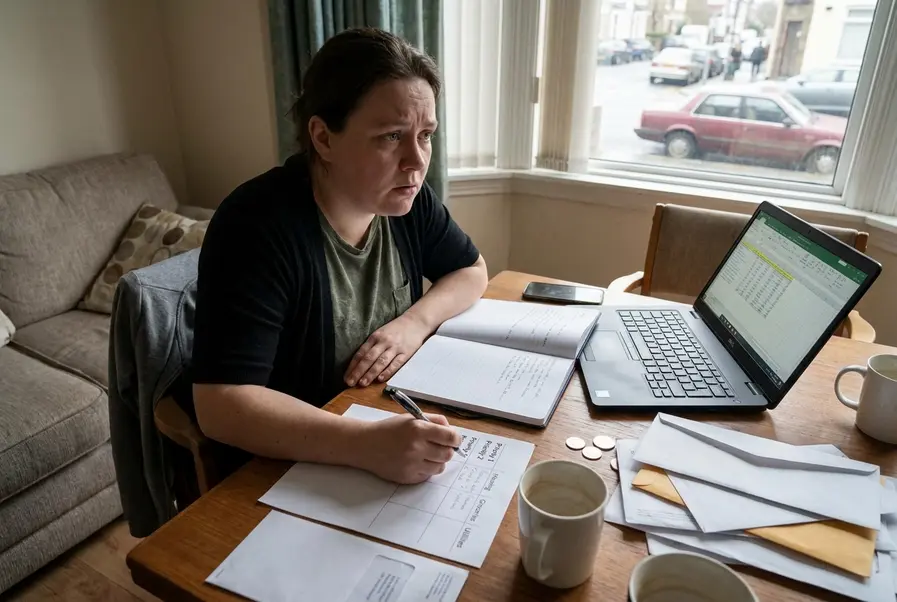
When life throws you a curveball, having an emergency budget can be the difference between a quick recovery and a long, stressful money spiral. You might be dealing with a surprise car repair, a medical bill, a school expense, or a sudden gap between paydays. Whatever the reason, you deserve a plan that keeps you in control, without turning your financial life into a drama series. In this guide, you’ll learn how to build an emergency budget that actually works in real life, how to decide what to cut and what to protect, and how fast funding options like personal and payday loans can fit into your strategy when used wisely.
Loan4Debt is an online lending platform in South Africa that provides fast personal and payday loan options for people who need money quickly. We keep the process simple with an online application and quick decisioning, and once you’re approved, funds can be transferred to your bank account in a short time. The goal is straightforward: accessible, fast financial solutions when unexpected expenses or debt show up uninvited.
What an emergency budget really is and why you need one
An emergency budget is a temporary, simplified spending plan you use when money is tight or when an unexpected cost hits. Think of it as your financial “storm mode.” It’s not meant to be forever, and it’s not about living on noodles for the next year. It’s about quickly re directing your income toward essentials, protecting your ability to pay key bills, and limiting damage to your savings or credit.
The biggest benefit of an emergency budget is speed. When something goes wrong, you don’t want to guess what you can afford. You want a clear list of priorities, a realistic number to aim for, and a plan you can follow even when you’re stressed. And yes, the best time to create one is before you need it, but the second best time is today.
Emergency budget vs normal monthly budget
A normal monthly budget aims for balance. You allocate money for essentials, goals, and also the fun stuff, because you’re a human being and not a spreadsheet. An emergency budget is more aggressive and more focused. It reduces non essential spending, temporarily pauses certain goals, and concentrates cash flow on survival bills and urgent payments.
In other words, a normal budget helps you thrive. An emergency budget helps you stabilize fast so you can get back to thriving.
Emergency budget basics: the three priority levels
When building your emergency budget, the easiest approach is to sort spending into three levels. This helps you decide quickly what stays and what goes, without overthinking every line item.
- Priority 1: Must pay to stay safe and functional housing, electricity, water, transport to work, basic groceries, essential medical costs, minimum debt repayments.
- Priority 2: Important but adjustable data and airtime, insurance add ons, school extras, household items, small maintenance.
- Priority 3: Can pause temporarily dining out, subscriptions, entertainment, upgrades, impulse spending, non urgent shopping.
This structure is the heart of an emergency budget because it gives you permission to cut quickly. You are not “failing” at budgeting by pausing extras. You’re being strategic.
How to build an emergency budget in 30 minutes
You can create a practical emergency budget in half an hour, even if you hate budgeting. The key is to keep it simple, use rough but realistic numbers, and focus on cash flow for the next 30 days.
Step 1: Calculate your emergency income number
Start with the money you expect to receive in the next month. That includes your salary, side income, and any reliable payments. Do not include “maybe” money, like something you might sell online unless it’s already arranged. In an emergency budget, certainty beats optimism.
Step 2: List your non negotiables first
Write down the bills that must be paid to keep your household stable. Rent or bond, utilities, transport to work, food, and the minimum required payments on debts. Minimum payments matter because missed payments can trigger fees and harm your credit profile, which can make future borrowing more expensive.
Step 3: Cut and cap the flexible categories
Now set strict caps on flexible spending. Groceries get a realistic but lean amount. Data gets a cap. Personal spending gets a small allowance so the budget is actually livable. The goal of an emergency budget is not perfection, it is consistency.
Step 4: Create a mini buffer line item
Even in an emergency budget, build a small “unexpected” line item. Emergencies love surprises. A small buffer reduces the chance that you’ll need to borrow again next week because one more thing went wrong.
Step 5: Review and make the numbers match
If your essential spending is higher than your income, your emergency budget is sending you a clear message. You need to increase income, reduce commitments, negotiate bills, or consider short term funding to bridge the gap. This is where many people feel stuck, but there are practical options to explore.
Emergency budget tactics that make a big difference fast
Once your emergency budget is drafted, you can improve it quickly with a few high impact tactics. These are simple moves, but they can free up cash within days.
Negotiate before you miss a payment
If you know you’ll struggle to pay a bill, contact the provider early. Many creditors and service providers have hardship options, payment arrangements, or ways to avoid penalties if you communicate in advance. You’re far more likely to get help before you default than after. It’s not always fun to make the call, but it’s usually worth it.
Switch to “bare minimum” subscriptions
Pause or downgrade streaming, delivery apps, and premium subscriptions. Keep the one thing that makes life easier, but don’t pay for five services when you only use one. An emergency budget works best when you remove silent monthly drains. Once you stabilize, you can re add what you truly value.
Use a cash or debit only rule for two weeks
Credit can blur the line between what you need and what you want. For two weeks, use cash or debit for daily spending categories like food and small purchases. This creates instant awareness and usually reduces spending without you feeling deprived. Your emergency budget becomes easier to follow when you can physically see the money leaving.
Where loans fit into an emergency budget, and where they do not
Loans can be useful in an emergency budget, but only when you use them intentionally. Borrowing should solve a real short term cash flow problem, not fund lifestyle spending. The healthiest approach is to treat a loan like a tool: helpful when used correctly, expensive when misused.
For example, a short term loan may help you cover an urgent expense such as a medical co payment, car repair to get to work, or an essential bill to avoid disconnection. If the loan prevents bigger costs like penalties, lost income, or damaged credit, it can be a rational move. But it should be paired with an emergency budget plan that shows how you’ll repay it on time.
Good reasons to use a loan within an emergency budget
- To cover a necessary expense that cannot wait, like urgent transport repairs
- To prevent a cascade of costs, such as late fees or disconnection charges
- To bridge a short gap when you have reliable incoming income
Risky reasons to use a loan within an emergency budget
- To cover ongoing overspending without making any budget changes
- To pay for non essentials while essentials are unpaid
- To borrow repeatedly without a repayment plan
If you decide that borrowing is the right move, keep the process straightforward and choose a clear, manageable amount. If you want to explore a streamlined online process, you can use Loan4Debt’s quick loan application to see what options may fit your situation.
Emergency budget planning for South Africa: real life categories to include
South African households often face a mix of fixed and variable costs that can shift quickly, especially with transport costs, electricity usage, and rising food prices. A strong emergency budget accounts for the categories that tend to spike when you least expect it.
- Transport fuel, taxi fare, parking, basic vehicle maintenance
- Utilities prepaid electricity, water, and essential household gas
- Groceries basics first, with a plan to reduce waste and impulse buys
- Communication data and airtime for work and school needs
- Debt minimums store accounts, credit cards, personal loans
- Medical medication, clinic visits, and urgent appointments
For broader budgeting education and consumer focused finance reading in South Africa, you can also explore practical budgeting content from Moneyweb’s budget section. It’s useful for staying informed about budgeting trends and personal finance topics that affect your day to day decisions.
How to prevent the next emergency with a stronger emergency budget system
An emergency budget is great for right now, but the long game is building resilience so you need it less often. That doesn’t mean you’ll never face unexpected costs. It means you’ll have a plan that makes surprises less painful.
Build a starter emergency fund while you recover
Start small, because small is still powerful. Even a modest amount set aside can reduce how much you need to borrow next time. Many people aim for three to six months of expenses eventually, but the first milestone is simply building a buffer that can handle one common shock. Your emergency budget can include a tiny weekly amount toward savings once you’re stable.
Identify your “repeat emergencies”
If your car needs repairs every few months, that’s not an emergency anymore. It’s a predictable expense that needs a sinking fund. The same applies to school costs, annual license renewals, and seasonal spikes in electricity usage. A good emergency budget becomes even better when you turn repeat shocks into planned categories.
Create a bill calendar so nothing surprises you
List your bill due dates and align them with your pay schedule. When due dates cluster early in the month, ask providers if you can change payment dates. A calendar system reduces the chance that you’ll rely on short term borrowing simply because of timing. For general guidance on managing money and building financial habits, the Momentum personal finance blog has helpful articles that support better planning.
Emergency budget and debt: how to stop the stress loop
Debt can make emergencies feel heavier, because you’re already committed to repayments before the surprise expense arrives. In an emergency budget, the goal is to protect your ability to pay essentials and keep debt from getting worse. That usually means paying minimums, avoiding new high cost commitments, and stabilizing cash flow first.
Use the emergency budget to prioritize minimum payments
Minimum payments are not exciting, but they buy you time and protect your credit standing. Missing payments can lead to fees and increased interest, which makes your next month even harder. Your emergency budget should place these minimums in the Priority 1 category. When you’re stable again, you can switch back to aggressive repayment.
Consider consolidation only when the numbers clearly improve
Debt consolidation can make sense when it lowers your total cost or simplifies multiple payments into one. But it is not a magic wand, and it should not be used to free up cash just to spend more. The emergency budget test is simple: does the new repayment fit comfortably inside your essential spending plan? If not, it’s not a solution, it’s a delay.
Making your emergency budget actually stick (without misery)
Budgets fail when they are too strict to follow. An emergency budget should be tight, but not punishing. If you make it impossible, you’ll abandon it and end up spending randomly, which creates more stress.
Give yourself a small “sanity” category
Even during a tough month, it helps to budget a small amount for something that keeps you motivated. That could be a simple treat, a low cost outing, or one subscription you truly use. The point is to avoid the rebound effect, where you overspend because you feel restricted. Your emergency budget works best when it feels doable.
Track progress weekly, not hourly
Checking your bank app every hour is not a budgeting strategy, it’s anxiety. Set a weekly check in day and compare your spending to your caps. If you’re off track, adjust early. Emergency budgeting is a short sprint, so quick course corrections matter.
FAQ: Emergency budget questions you actually care about
1. How long should I stay on an emergency budget?
You should stay on an emergency budget until you’ve covered the urgent expense and your monthly cash flow is stable again. For many people, that is one to three months, depending on the size of the emergency and income timing. The key sign you can exit is when you can pay essentials and minimum debt repayments without scrambling, and you’ve started rebuilding a small buffer.
2. What if my emergency budget still does not cover all my essentials?
If essentials exceed income, your emergency budget is telling you the situation needs structural changes. Start by negotiating bills, reducing non essentials to near zero, and looking for short term income boosts. If the gap is timing related and you have reliable income coming soon, a short term loan may help bridge the difference, but only with a clear repayment plan.
3. Should I use my savings first or consider a loan?
It depends on the purpose of your savings and how quickly you can rebuild them. Using savings can be cheaper than borrowing, but draining your buffer can leave you exposed to the next surprise. A balanced approach is to use some savings and borrow only what you must, so your emergency budget still includes a small safety net. Always compare the cost of borrowing to the cost of missing payments or losing income.
4. How do I handle debt payments inside an emergency budget?
In most cases, pay at least the minimum on all debts to avoid penalties and credit damage. Then focus on essentials like housing, utilities, transport, and food. Once the emergency passes, you can return to a faster debt repayment strategy such as the snowball or avalanche method. The emergency budget phase is about stability first, speed later.
5. Can a payday loan be part of an emergency budget?
A payday loan can fit into an emergency budget if it covers a true short term need and you can repay it on time from your next income. The risk is borrowing again to repay the first loan, which can create a cycle that’s hard to escape. If you consider this route, borrow only what you need, keep the term short, and make sure your emergency budget includes the repayment amount so it does not collide with essentials.
6. What is the fastest way to improve my emergency budget this week?
Start with three quick wins: cancel or pause unused subscriptions, cap discretionary spending with a debit only rule, and negotiate any bills you’re worried about before they become overdue. Then review your grocery spending and plan meals around basics to cut waste. Finally, track for one week and adjust, because a flexible emergency budget beats a perfect one that you never follow.
Emergency budget checklist you can use today
- List next 30 days income you can count on
- Put essentials and minimum debt repayments into Priority 1
- Cut Priority 3 spending aggressively for a short period
- Cap groceries, transport, and data with clear limits
- Add a small buffer line item for mini surprises
- Review weekly and adjust before things spiral
If you’re dealing with an urgent cost and your emergency budget shows a shortfall, you don’t have to figure it out alone. Are you interested in applying for a loan or do you simply have a question? We’re happy to help. Please feel free to get in touch with us at Loan4Debt, and if you’re ready to take the next step you can start with our online loan application form.