

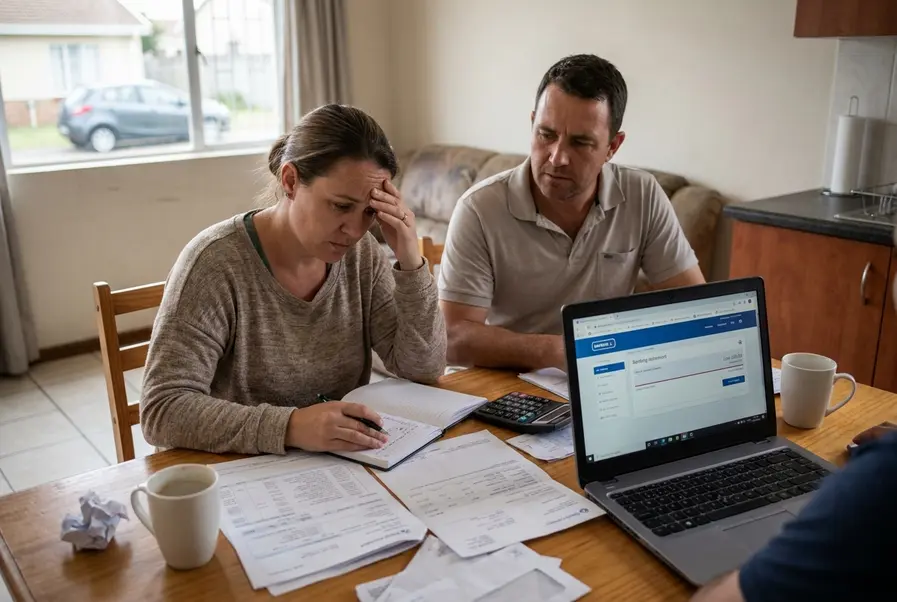
income pressure can hit you at the worst possible moment: a tyre blows out, school costs pop up, or the month feels longer than your salary. If you live in South Africa, you probably know the “just one more debit order” feeling, where your budget starts doing acrobatics. The good news is that you are not powerless. With the right money habits and a realistic plan, you can reduce stress, protect your essentials, and use short term borrowing wisely when you truly need it.
At Loan4Debt, we help people access fast personal and payday loan options through a simple online process, so you can deal with urgent expenses without dragging the problem out for weeks. But we also believe a loan works best when it fits into a bigger picture: a practical budget, smart repayment choices, and a strategy to prevent future cash crunches. Let’s break down what income pressure really is, what causes it, and what you can do today to feel more in control.
What income pressure really means in everyday life
Income pressure is what happens when your monthly income does not comfortably match your monthly commitments. It does not always mean you are irresponsible, it often means your costs have risen faster than your income, or you have had a few bad luck expenses in a row. When income pressure shows up, it tends to show up everywhere: higher stress, late fees, missed savings goals, and strained relationships.
In practical terms, income pressure can look like using grocery money to pay a utility bill, paying one creditor to keep another quiet, or relying on credit for basics. It can also look like constantly checking your balance, hoping a debit order does not bounce. If any of this feels familiar, you are in the right place.
Early warning signs of income pressure
One of the most useful skills in personal finance is noticing the signs before your situation becomes urgent. Income pressure usually gives you hints, and you can respond before it turns into a crisis. If you catch it early, you have more options and pay less in fees and interest overall.
- You are consistently short before payday, even in “normal” months.
- Your savings stop growing or you start withdrawing from them.
- You pay accounts late and the penalties start stacking.
- You are juggling multiple debts to keep up with minimum payments.
- You feel anxious every time you check your bank app.
Top causes of income pressure in South Africa
Income pressure rarely has one single cause. Most people experience it because several factors overlap at once. Knowing the drivers helps you choose solutions that actually work, rather than quick fixes that only delay the problem.
Rising costs and “silent” lifestyle creep
Sometimes your lifestyle does not change dramatically, but prices do. Transport, electricity, food, school needs, airtime, and data can rise in a way that slowly squeezes your budget. Lifestyle creep is another sneaky factor: a few subscriptions here, extra takeaways there, and suddenly your bank balance is sending you stern messages.
Irregular income or unpredictable expenses
If you earn commission, do contract work, or have seasonal income, your cash flow may not match your monthly payment dates. Even with a steady salary, unexpected expenses can knock you off track: medical bills, car repairs, family responsibilities, or urgent home maintenance. This is where income pressure becomes a timing problem as much as a money problem.
Debt repayments that leave no breathing room
Debt itself is not automatically bad, but repayments that take too much of your take home pay can create constant pressure. If you are paying several accounts, store cards, or credit products, you may have little room left for basics and emergencies. The result is often more borrowing, which can make income pressure even heavier.
How income pressure affects your financial health and your choices
Income pressure is not just a numbers issue, it can change how you make decisions. When you feel stressed, it is easier to choose the fastest option rather than the best option. That can lead to skipping insurance, ignoring important letters, or postponing payments until the last second.
It can also affect your credit profile if you miss payments, which makes future borrowing more expensive. If you want a solid overview of how budgeting choices impact long term stability, you can explore practical finance insights from trusted local publishers like Moneyweb’s budgeting coverage. Reading about real world budgeting challenges can help you feel less alone, and more importantly, more informed.
A realistic plan to reduce income pressure step by step
You do not need a perfect spreadsheet or a finance degree. You need a system you can follow even when life is busy. The goal is to make your money more predictable, lower your risk of surprises, and create a buffer for emergencies.
Step 1: Do a “truth audit” of your cash flow
Start with your last two or three months of bank statements. List your income sources, then list your essentials like housing, transport, food, utilities, and insurance. Then list non essentials like entertainment, subscriptions, and impulse purchases. Income pressure often becomes clearer when you see the full picture in writing.
Be honest and keep it simple. If you spend cash, estimate it conservatively based on your habits. The point is not to judge yourself, it is to see where the leaks are.
Step 2: Separate needs from nice to haves without feeling miserable
When income pressure is high, your budget should protect your essentials first. That means you prioritise food, transport to work, rent or bond, and key accounts. Then you decide what you can reduce temporarily without feeling like your life has been cancelled.
- Swap one or two takeaways a week for quick home meals.
- Pause unused subscriptions and renegotiate mobile data.
- Plan grocery shopping with a list and a set amount.
- Use public transport or lift clubs when possible.
Small changes add up when they happen consistently. And yes, you can still have fun, just put it in the plan so it does not ambush your budget.
Step 3: Build a mini emergency buffer first
Many people aim for three to six months of expenses, but when income pressure is intense, that target can feel impossible. Start smaller: build a buffer of one week of expenses, then two weeks, then a month. This buffer stops you from needing urgent money every time something breaks.
Automate it if you can. Even a small weekly transfer into a separate account can create momentum. You want your buffer to feel boring, stable, and quietly powerful.
Smart ways to handle income pressure when bills are due now
Sometimes the problem is not your overall budget, it is timing. A bill is due today, but you only get paid next week. In those moments, you need a short term plan that reduces damage and prevents a spiral of fees and stress.
Talk to service providers before you miss payments
Many companies would rather agree on a payment arrangement than chase arrears. If you are under income pressure, call early and ask what options they offer. You may be able to split a payment, move the due date, or get a temporary arrangement.
Keep a record of who you spoke to and what was agreed. It feels awkward, but it can save you money and protect your credit record.
Use short term borrowing strategically, not emotionally
A short term loan can be helpful when it solves a real timing gap or urgent expense and you have a clear repayment plan. The key is to borrow for a specific purpose, calculate the repayment impact, and avoid borrowing for ongoing monthly shortfalls. If income pressure is constant, borrowing repeatedly can make things harder.
If you need funds quickly for an urgent situation, Loan4Debt offers a streamlined option where you can apply through an online form and get a fast outcome. You can learn more about an instant cash loan process and see whether it matches your needs and timing.
Budgeting tactics that reduce income pressure without killing your vibe
Budgeting does not have to feel like punishment. The best budgets are practical, flexible, and designed for real humans. If your plan is too strict, you will abandon it, and income pressure will sneak back in.
The “two account” method for better control
One simple method is using two accounts: one for bills and essentials, and one for day to day spending. When money comes in, you move the bill portion immediately. This makes it much harder to accidentally spend rent money on weekend plans.
If you can, schedule debit orders right after payday. That reduces the chance of missed payments and late fees, which are common income pressure multipliers.
Weekly budgeting beats monthly guessing
Monthly budgets look neat, but weekly check ins are more effective when you are under income pressure. Each week, set a spending limit for groceries, transport, and small extras. Track it with your banking app and adjust quickly.
This approach makes your money feel more immediate and manageable. It also helps you notice patterns, like how “quick stops” at the shop turn into big monthly totals.
Negotiate and shop around like it is your side hustle
Negotiating is an underrated skill. Call your insurance provider, compare prices, and ask for better rates. Review bank fees and consider lower cost options. Even small savings on recurring costs reduce income pressure every single month.
For more structured budgeting education and tools, you can also explore local financial guidance from Old Mutual’s personal finance articles. The more you understand your options, the less you feel stuck.
Using a Loan4Debt loan responsibly during income pressure
Loans can be useful tools when they are used with intention. A fast personal loan or payday loan should fit into your plan, not replace it. Before you apply, you should be clear on the amount you need, what it will solve, and how repayment will work alongside your existing commitments.
Questions to ask yourself before you borrow under income pressure
- Is this expense urgent, unavoidable, and time sensitive?
- Will this loan prevent bigger costs like penalties or disconnections?
- Can you repay on time without skipping essentials?
- What changes will you make so this does not repeat next month?
If you can answer these clearly, borrowing can be a practical bridge. If you cannot, it may be better to reduce expenses, negotiate due dates, or seek additional income opportunities first.
Match the loan amount to the problem, not to the maximum available
One of the biggest mistakes people make under income pressure is borrowing more than they need “just in case”. That can increase repayment strain later. A better approach is to borrow only what covers the specific gap, then focus on rebuilding your buffer.
If speed is essential, you can review Loan4Debt’s quick online application option and plan your repayment carefully based on your next income date and your existing debit orders.
How to prevent income pressure from coming back
Once you have reduced immediate pressure, the next goal is prevention. Income pressure often returns when people stop tracking, stop saving, or do not plan for irregular costs like school uniforms, holiday travel, or annual renewals. Prevention is about building systems that keep you steady even when life throws surprises.
Create a “future expenses” list and save for it monthly
Write down the big costs you know are coming in the next 12 months. Include birthdays, school needs, car licensing, and seasonal spending. Divide each cost by the number of months until it happens and save that amount monthly.
This turns surprises into planned expenses. It also lowers the odds that income pressure will show up as a last minute panic.
Increase income in realistic ways
If expenses cannot drop further, you may need to increase income. That could mean overtime, a weekend gig, freelancing, selling unused items, or upskilling for better opportunities. The key is to pick something sustainable that does not burn you out.
Even a small extra income stream can create breathing room. And breathing room is the opposite of income pressure.
FAQ about income pressure and short term loans
1. What is income pressure and why does it feel so overwhelming?
Income pressure happens when your income cannot comfortably cover your regular commitments and day to day costs. It feels overwhelming because it affects both your cash flow and your sense of security, especially when bills have fixed due dates. The stress is often intensified by fees, penalties, and the fear of falling behind, so the sooner you face the numbers, the better your options become.
2. Is income pressure always caused by overspending?
No, income pressure is not always a spending problem. Rising living costs, reduced working hours, medical expenses, and family responsibilities can create pressure even in a careful household. Overspending can contribute, but many people experience income pressure because of timing issues or unexpected events rather than poor habits.
3. How can I reduce income pressure fast without taking on more debt?
Start by cutting or pausing non essential expenses for 30 days and redirecting that money to your most urgent bills. Contact service providers early to negotiate payment arrangements so you avoid penalties and disconnections. You can also sell unused items or take small extra work in the short term, which gives you immediate breathing room without adding repayments.
4. When does a short term loan make sense during income pressure?
A short term loan can make sense when it covers an urgent, specific need and prevents bigger costs, like late fees or loss of essential services. It is most useful when you have a clear repayment plan tied to your next income and you are not relying on borrowing every month. If income pressure is ongoing, focus first on budgeting fixes and reducing recurring costs so the loan does not become a repeated solution.
5. What should I do if income pressure is affecting my credit record?
Prioritise getting current on the accounts that most impact your credit profile, and avoid missing additional payments. Build a realistic repayment schedule and communicate with creditors before you fall further behind, because silence usually makes things worse. Then track your budget weekly to prevent repeat late payments, since consistency is what rebuilds your credit over time.
6. How do I stop income pressure from returning after I get back on track?
Create a small emergency buffer and treat it like a monthly bill you pay to yourself. Plan for irregular expenses by saving monthly toward known future costs, so they do not land like a surprise. Finally, keep a simple weekly money routine where you check balances, upcoming debit orders, and spending limits, because that habit is one of the strongest long term defences against income pressure.
Income pressure can feel like a noisy neighbour that never sleeps, but with a clear plan, it gets quieter month by month. You can stabilise your budget, protect essentials, and use borrowing thoughtfully when it truly helps. Are you interested in applying for a loan or do you simply have a question? We’re happy to help. Please feel free to get in touch with us at Loan4Debt.