

When life throws you a surprise bill, je car breaks down, or your fridge decides it has had enough, emergency borrowing can feel like the quickest way to get your feet back under you. And honestly, it can be, if you approach it with a clear head and a plan. Loan4Debt exists for exactly these moments: fast, online access to personal loans and payday-style options in South Africa, with a simple application process and quick decisioning so je can move from stressed to sorted.
This guide is written to help je understand how emergency borrowing works, when it makes sense, how to keep the cost under control, and how to avoid the classic traps that turn a small shortfall into long term debt. I will also show you practical budgeting steps, smart repayment habits, and what to check before you click “apply”.
Emergency borrowing explained in plain English
Emergency borrowing is any short term borrowing you use to cover an urgent expense that cannot reasonably wait until your next payday or until you have saved up. In practice, it often includes urgent medical costs, car repairs, essential home maintenance, replacing stolen items, or bridging a gap when income arrives late. The key word is “essential”: emergency borrowing is best used for needs, not wants.
In South Africa, emergency borrowing typically happens via short term personal loans, payday loan products, or other fast credit options. The benefit is speed and accessibility, especially when you need funds quickly. The tradeoff is that faster credit can be more expensive, so your plan for repayment matters just as much as approval.
When emergency borrowing makes sense and when it does not
The smartest use of emergency borrowing is when the cost of not paying is higher than the cost of the loan. For example, if missing an urgent vehicle repair means you cannot get to work, the financial damage could compound quickly. Likewise, if a small payment prevents a service disconnection or avoids penalties, the numbers may justify borrowing.
Good reasons to consider emergency borrowing
-
Unexpected medical expenses where delay could worsen outcomes or raise costs.
-
Critical car repairs needed to keep earning an income.
-
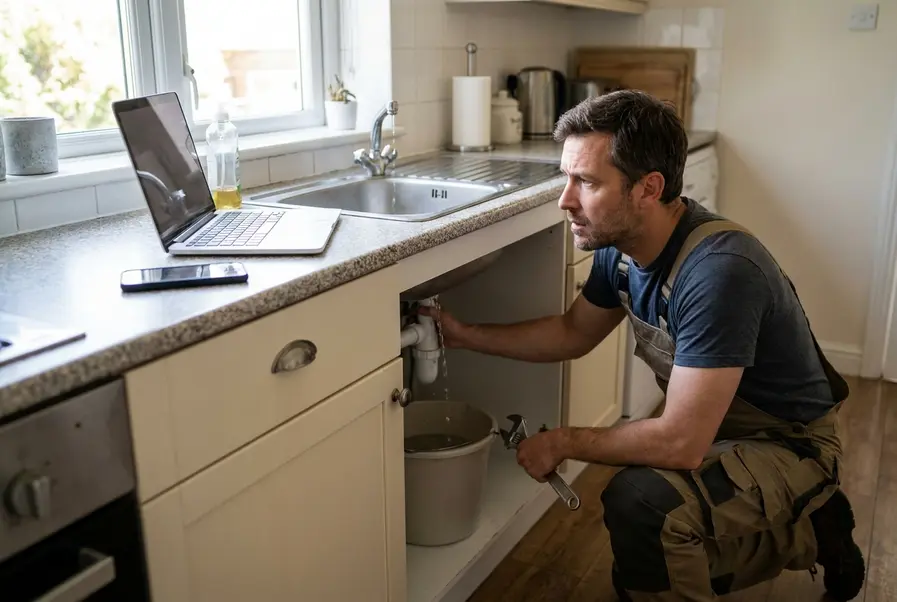
Essential home repairs that prevent bigger damage, like a burst pipe.
-
Bridging a short gap caused by delayed salary, provided repayment is realistic.
Red flags where emergency borrowing can backfire
-
Borrowing for lifestyle spending, shopping, or non urgent upgrades.
-
Borrowing without knowing the total repayment amount.
-
Using a new loan to repay an older loan, without a clear plan to stop the cycle.
-
Taking an amount bigger than your budget can absorb next month.
If you feel you are borrowing repeatedly to cover ordinary monthly expenses, that is a sign to pause and reset your budget. Emergency borrowing should be a tool for emergencies, not a monthly subscription.
How emergency borrowing works at Loan4Debt
Loan4Debt is an online lending platform in South Africa focused on speed, simplicity, and access. Je complete a straightforward online form, you receive a quick decision, and once approved, funds can be transferred to your bank account in a short time. The idea is to remove friction when the need is urgent, without turning the process into a paperwork marathon.
If you are in a time sensitive situation, you can explore our options for urgent cash loan solutions and see what fits your needs. Je can also review the details and expectations around fast emergency cash options so you know what to prepare before applying.
Emergency borrowing costs: interest, fees, and the real total you repay
The number one mistake people make with emergency borrowing is focusing only on the amount they receive, not the total amount they repay. A loan is not just “R2000 now”. It is also the interest, any initiation fees, and any service charges where applicable. Even when the monthly instalment looks manageable, the total repayment can surprise you if you do not read the terms carefully.
Before you accept any loan offer, make sure je can answer these questions clearly:
-
What is the total cost of credit over the full repayment period?
-
What is the repayment schedule and when is the first payment due?
-
Are there fees, and what triggers them?
-
What happens if I pay early or settle the loan sooner?
For broader financial education, it helps to read trusted local resources on budgeting and debt management. Old Mutual publishes practical personal finance insights that can help you keep your borrowing decisions grounded in reality: Old Mutual financial articles. Another helpful South African source is Moneyweb, which regularly covers budgeting and money management topics: Moneyweb budgeting content.
Emergency borrowing and your budget: make space before you borrow
If you want emergency borrowing to help rather than hurt, you need to “make space” in your budget first. That means looking at what will change next month when the repayment hits your account. If the repayment will force you to skip groceries, transport, or school costs, the loan does not solve the emergency. It just moves the stress forward.
A quick budget check before emergency borrowing
Take five minutes and do this mini check:
-
Write down your expected net income for the next 30 days.
-
List fixed essentials: rent, electricity, transport, food, airtime, insurance.
-
Estimate the new loan repayment and add it to the list.
-
See what is left for unexpected costs and variable spending.
If the leftover amount is close to zero, reduce the loan amount or extend your timeline where possible. Emergency borrowing should be sized to the smallest amount that solves the problem, not the biggest amount you qualify for.
How to borrow less: practical alternatives to emergency borrowing
Sometimes, the best emergency borrowing strategy is borrowing less, or not at all. That might sound boring, but your future self will thank you. If you can reduce the needed amount even slightly, you reduce interest and improve your repayment comfort.
Options to try before emergency borrowing
-
Negotiate the bill: ask for a payment plan with the service provider, clinic, or school.
-
Use your emergency fund if you have one, even if it is small.
-
Sell unused items for quick cash: phones, furniture, tools you no longer use.
-
Ask your employer about a salary advance, if that is available.
-
Trim one month of non essentials: subscriptions, takeaways, impulse shopping.
Even if these steps cover only part of the expense, they can reduce your reliance on emergency borrowing and make the remaining loan easier to repay.
Emergency borrowing without the debt spiral: rules that keep you safe
Emergency borrowing can be a smart move, but it must come with rules. The goal is to fix a short term problem, not start a long term habit. If je treat it like a financial tool with boundaries, it stays helpful.
Five rules for responsible emergency borrowing
-
Borrow only what you need, not what you want.
-
Choose a repayment plan you can realistically handle, even if the month is tight.
-
Set a repayment reminder and pay on time to avoid extra costs.
-
Do not take a second loan to cover the first unless you are restructuring with a clear exit plan.
-
Start a mini emergency fund immediately after the first repayment, even if it is R50 a week.
That last rule is the secret weapon. Emergency borrowing becomes less necessary when je build a buffer, and a small buffer grows faster than you think when it becomes a habit.
Emergency borrowing and credit health: what to consider
Your credit profile matters because it can influence whether you qualify, how much you can borrow, and the terms you may receive. Emergency borrowing is easier when your overall credit behaviour is stable, meaning you pay accounts on time and keep debt levels manageable relative to income.
Even if you have had financial bumps, you can still improve your position by focusing on consistent repayments and reducing the number of missed payments. A single on time repayment streak can do more for confidence and control than chasing multiple new credit lines. Think of emergency borrowing as part of your bigger money story, not an isolated moment.
Emergency borrowing scenarios: how to choose the right amount
Let’s make it practical. The “right” amount is usually the amount that covers the emergency and nothing extra. If you add extras, the repayment grows, and you may be tempted to use the loan for non essentials.
Scenario 1: car repair needed to get to work
Your mechanic quotes R2500 and you need the car for commuting. If je can cover R500 by selling an item or cutting spending, you might borrow R2000 instead of R2500. That reduces the repayment pressure and helps you stay on track.
Scenario 2: unexpected medical bill
You receive a bill that must be paid this week. First, ask the provider about a payment plan or partial payment option. If you still need emergency borrowing, consider borrowing only the immediate amount due rather than the full balance if the provider allows staged payments.
Scenario 3: short gap until payday
If your salary arrives in a few days but you need groceries and transport now, keep the loan amount minimal and tied to essentials. A small bridge loan can work well, but only if the next payday is truly reliable and not already committed to other repayments.
How to prepare for emergency borrowing: a quick checklist
Preparation makes emergency borrowing faster and reduces mistakes. When you are stressed, small details get missed, so use a checklist to stay sharp.
-
Know the exact amount you need and why you need it.
-
Check your bank account and upcoming debits for the next 30 days.
-
Have your personal details and banking details ready for the online form.
-
Decide your maximum affordable repayment before you apply.
-
Read the terms carefully and confirm total repayment, not just instalments.
This is also a good moment to decide what you will cut next month to create space for repayment. Emergency borrowing works best when je plan the “after” before you take the “now”.
FAQ: emergency borrowing in South Africa
1) What is emergency borrowing and how is it different from a normal personal loan?
Emergency borrowing is typically used for urgent, time sensitive expenses and is often designed to be fast to apply for and fast to access. A normal personal loan can also be used for emergencies, but it might be taken over longer terms or for planned expenses. The biggest difference is usually the urgency and the way borrowers approach it: emergency borrowing should be short term and tightly budgeted.
2) How do I know if emergency borrowing is the right choice for me?
It is the right choice when the expense is essential and delaying payment would cause more harm than the borrowing cost. Je should also be able to show, on paper, how you will repay without skipping essentials like food, transport, or rent. If repayment only works if “nothing goes wrong,” your plan is too tight and you should reconsider the amount or timing.
3) What should I check before I accept an emergency borrowing offer?
First, confirm the total cost of credit, not only the cash you receive. Second, check the repayment dates and what happens if you pay late, since late costs can escalate quickly. Third, make sure the loan amount is the minimum needed to solve the emergency, because every extra rand increases repayment pressure.
4) Can emergency borrowing hurt my finances long term?
Yes, it can if it becomes a habit or if the repayments are too large for your monthly cash flow. When borrowers use emergency borrowing for non essentials or repeatedly borrow to cover everyday bills, the debt cycle becomes harder to break. Used responsibly with a clear repayment plan and a budget reset, it can also be a short term tool that prevents bigger financial damage.
5) How can I avoid needing emergency borrowing in the future?
Build a small emergency fund, even if it starts at a very modest amount. Track your spending for 30 days so you can spot leaks like subscriptions, fees, or impulse buys that quietly drain your buffer. Also, plan for predictable “surprises” like car maintenance and school costs by saving a little each month, which reduces the chances that you will need emergency borrowing again.
6) What is the best repayment strategy after emergency borrowing?
Pay on time, every time, because consistency protects your budget and reduces stress. If je can pay extra or settle early without penalties, it can reduce total interest and help you recover faster. Then immediately redirect the freed up cash into a starter emergency fund so the next unexpected expense is less likely to push you back into borrowing.
Make emergency borrowing work for you, not the other way around
Emergency borrowing is not “good” or “bad” by itself. It is a financial tool, and like any tool, it depends on how you use it. Keep it focused on essentials, keep the amount small, understand the full cost, and protect your budget so repayment does not knock you off balance.
Are you interested in applying for a loan or do you simply have a question? We’re happy to help. Please feel free to get in touch with us at Loan4Debt.