

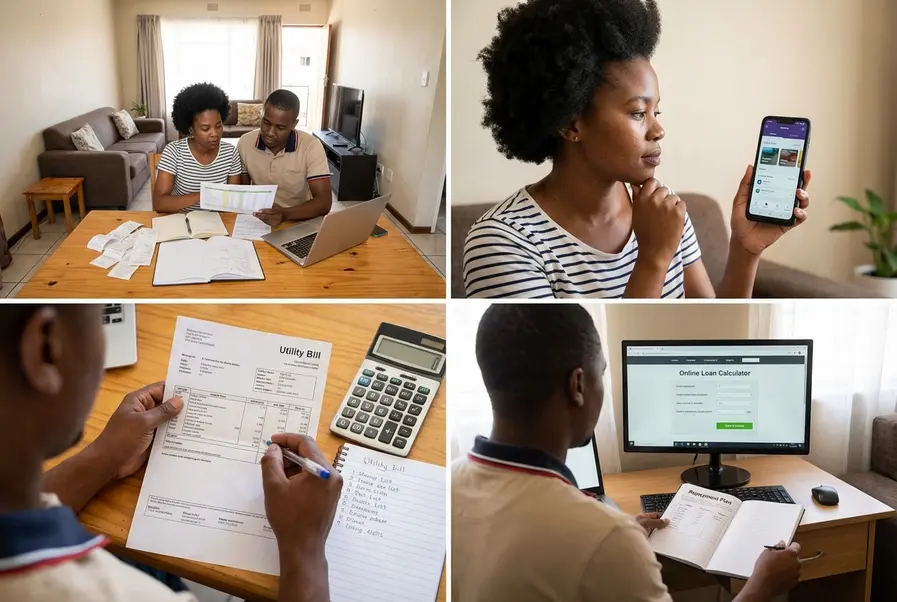
Unexpected bills have a special talent for showing up at the worst possible time. One week it is a car repair, the next it is school costs, then suddenly your electricity spikes. If you have ever wondered How to Stay on Budget When Unexpected Bills Keep Coming Up, you are not alone, and you are not “bad with money” either. The good news is that budgeting for real life is a skill you can build, even when your income feels stretched and your expenses love surprises.
At Loan4Debt, we work with South Africans every day who need fast, practical solutions when cash flow gets tight. This guide gives you a realistic system to protect your budget, handle sudden expenses, and avoid falling into a stress spiral. And yes, you can do it without turning your life into a spreadsheet prison.
How to Stay on Budget When Unexpected Bills Keep Coming Up: start with the “truth budget”
If you want to master How to Stay on Budget When Unexpected Bills Keep Coming Up, the first step is to stop building a fantasy budget. A “truth budget” is simply a budget based on what you actually spend, not what you wish you spent.
Track your real spending for 30 days
For one month, write down every expense. That includes small taps and swipes: snacks, delivery fees, quick airtime, and “just this once” purchases. This is not about guilt, it is about data. When unexpected bills hit, the wiggle room usually comes from the small spending you do not notice.
Separate needs, commitments, and lifestyle
Group your spending into three buckets. Needs are food, transport, basic utilities, and essentials. Commitments are debt repayments, subscriptions you actually use, school fees, and insurance. Lifestyle is everything else. When you are working on How to Stay on Budget When Unexpected Bills Keep Coming Up, you want your “lifestyle” bucket to be flexible, because that is where your emergency adjustments come from.
Build a “surprise bill buffer” into your monthly budget
The biggest budgeting myth is that emergencies are rare. In reality, “unexpected” bills happen so often they deserve their own line item. A surprise bill buffer is a small amount you set aside every month specifically for irregular expenses.
Start small and make it automatic
Even R100 or R200 per month is a start. The point is consistency, not perfection. If you can automate it right after payday, you reduce the temptation to spend it. Over time, this buffer becomes one of the most powerful tools for How to Stay on Budget When Unexpected Bills Keep Coming Up.
Use sinking funds for predictable surprises
Some bills feel unexpected but are actually predictable. Car services, annual renewals, uniforms, birthdays, and back to school costs are classic examples. Create sinking funds: small monthly amounts saved toward a known future cost. When the bill arrives, it is annoying, but it is not a crisis.
How to Stay on Budget When Unexpected Bills Keep Coming Up by tightening your “fixed costs” first
When a sudden bill hits, many people panic cut groceries or skip important payments. Instead, look at fixed costs and recurring expenses. Even small reductions here create breathing room every month.
Audit debit orders and subscriptions
List every recurring charge and ask one question: do you still get value? Cancel services you rarely use, downgrade where possible, and negotiate better deals. Cutting one subscription can fund your surprise bill buffer for months. This is a simple but effective way to support How to Stay on Budget When Unexpected Bills Keep Coming Up.
Renegotiate where you can
Insurance, mobile contracts, and internet packages are worth reviewing. Many providers have retention discounts or cheaper packages. Even a small monthly reduction helps you absorb unexpected costs without touching essentials.
Use a simple rule for sudden expenses: pause, prioritise, plan
When the bill arrives, the emotional reaction often causes financial mistakes. Give yourself a quick three step process.
Pause and confirm it is real and urgent
Check the invoice, confirm amounts, and make sure you are not being overcharged. Ask if the provider offers payment arrangements. Sometimes you can split a bill into smaller payments, which instantly improves cash flow.
Prioritise based on consequences
Pay first what protects your income and safety: transport needed for work, essential utilities, and urgent medical needs. Then focus on preventing penalty fees or service cutoffs. This prioritisation method keeps you aligned with How to Stay on Budget When Unexpected Bills Keep Coming Up without missing critical obligations.
Plan where the money will come from
Use a clear sequence. First use your surprise bill buffer. Then reduce flexible lifestyle spending for the month. Then consider selling unused items or taking on a small temporary side gig. If there is still a gap, you can explore responsible short term borrowing to avoid missed rent, school fees, or other high consequence payments.
How to Stay on Budget When Unexpected Bills Keep Coming Up without falling into a debt trap
Debt can be useful when it is used intentionally, but dangerous when it becomes the default solution. The goal is to borrow with a plan, not with hope. When you are balancing unexpected costs, keep these guardrails in place.
Borrow only for a clear need, not for lifestyle smoothing
If the expense is essential and time sensitive, borrowing may help you protect your budget and avoid bigger downstream costs. But if you are borrowing to maintain discretionary spending, that is a warning sign. Staying aligned with How to Stay on Budget When Unexpected Bills Keep Coming Up means your loan should solve a problem, not extend it.
Know your repayment plan before you apply
Decide exactly how the repayment fits into your next pay cycle or monthly budget. Be honest about what you can afford. If the repayment will force you to skip essentials, the loan is not helping, it is shifting the stress forward.
Use trusted information to stay financially grounded
If you want additional budgeting guidance and consumer education, South Africans can also consult the National Credit Regulator for credit related resources. For broader money habits and saving insights, you can explore practical personal finance content from Old Mutual’s financial education articles. Strong information improves the decisions you make when surprise bills show up.
Create a “bill shock” response budget in 10 minutes
When you are under pressure, complex budgets fail. Prepare a mini budget template that you can activate whenever an unexpected expense lands. This is a practical way to live How to Stay on Budget When Unexpected Bills Keep Coming Up in real time.
Your quick response template
-
List the bill and the due date
-
List cash available now
-
List essential payments due before your next income
-
List flexible spending you can pause for 7 to 30 days
-
Decide the exact amount you still need
This mini plan turns panic into a decision. It also shows you whether a short term solution is required or if you can absorb the cost by adjusting spending.
How to Stay on Budget When Unexpected Bills Keep Coming Up with smart automation
Automation is not just for people with perfect incomes. It is for people who want fewer decisions and fewer mistakes. When surprise bills are common, automation reduces the chance that you will spend money that should have gone to essentials.
Pay essentials first
When you get paid, allocate money to the most important categories immediately: rent, transport, food basics, and key debt repayments. If your essentials are covered early, you can handle unexpected costs without risking missed priority payments. This approach reinforces How to Stay on Budget When Unexpected Bills Keep Coming Up because it protects your baseline.
Use separate “buckets” for control
If possible, separate your money into simple buckets: one account for bills, one for daily spending, and one for savings or your surprise buffer. You do not need a fancy system. The point is to reduce accidental overspending by making boundaries visible.
When a short term loan may help you stay on budget
Sometimes the numbers do not work, even after cutting lifestyle spending and using your buffer. In those moments, a short term personal loan can protect your budget by helping you cover an urgent cost quickly, especially if the alternative is missed rent, penalty fees, or falling behind on essential accounts.
Match the loan to the size and urgency of the bill
Borrowing more than you need can create unnecessary repayment pressure. Borrowing too little might not solve the actual problem. Staying aligned with How to Stay on Budget When Unexpected Bills Keep Coming Up means choosing an amount that covers the expense while keeping repayment manageable.
Use a reputable, fast option when time matters
If you need money quickly to handle an urgent bill, you can learn more about a fast application process through Loan4Debt’s instant cash loan option with immediate payout. The key is to treat it as a planned tool in your financial kit, not as a monthly habit. Keep your repayment schedule clear so the next month’s budget does not get squeezed.
Small habits that make unexpected bills less scary
The goal is not to eliminate surprises. The goal is to make them boring. These habits support How to Stay on Budget When Unexpected Bills Keep Coming Up because they reduce the impact of each new expense.
Review your budget weekly, not monthly
A five minute weekly check in can prevent end of month chaos. You spot overspending early and adjust before it becomes a crisis. Weekly reviews also help you anticipate upcoming bills and plan around them.
Keep a running “next 90 days” list
Write down known upcoming costs for the next three months. Include school related expenses, transport costs, and any seasonal spikes. Even if you cannot fully fund them yet, seeing them in advance helps you avoid the feeling that life is constantly ambushing your budget.
Build a tiny emergency fund after your buffer is stable
Once your surprise bill buffer is consistent, start building an emergency fund for bigger disruptions. This is for true emergencies like income loss or major medical costs. It takes time, but it is one of the strongest long term answers to How to Stay on Budget When Unexpected Bills Keep Coming Up.
FAQ: How to Stay on Budget When Unexpected Bills Keep Coming Up
1. Why do unexpected bills keep destroying my budget even when I plan carefully?
Most budgets fail because they do not include irregular costs, and those costs are more common than people admit. If you only plan for the same monthly bills, one surprise expense forces you to borrow or skip something important. A buffer and sinking funds turn “unexpected” into “planned for,” which makes your budget far more resilient.
2. How much should I put into a surprise bill buffer each month?
A practical starting point is whatever you can consistently afford, even if it is small. Many people aim for a percentage of income, but consistency matters more than the exact number. If you regularly face sudden costs, increase the buffer gradually until your budget stops wobbling every time a bill appears.
3. What should I cut first when an unexpected bill shows up?
Start with flexible lifestyle spending like dining out, entertainment, and non essential shopping. Then look at subscriptions and recurring expenses that are not delivering value. Avoid cutting essentials like basic food or transport to work, because that can create bigger costs later and make it harder to keep your budget stable.
4. Is it ever smart to use a payday or personal loan to cover unexpected bills?
It can be smart if the expense is urgent, the consequences of not paying are serious, and you have a clear repayment plan. The loan should fit your next pay cycle or monthly budget without forcing you to skip essentials. Used responsibly, borrowing can help you stay on budget by preventing late fees, service interruptions, or a domino effect of missed payments.
5. How do I avoid taking a new loan every month?
Use borrowing as a short term bridge, not as a regular budget line. The long term fix is to build a buffer, reduce fixed costs, and create sinking funds for predictable irregular expenses. If you notice a repeated pattern, like the same type of bill every few weeks, treat it as a category in your budget and fund it monthly.
6. What if my income is inconsistent and surprise bills still come up?
With irregular income, base your budget on your lowest expected month, not your best month. On higher income months, top up your buffer and cover sinking funds in advance. This approach makes How to Stay on Budget When Unexpected Bills Keep Coming Up much easier because you are planning for reality, not for the “good month” scenario.
Your next step: get support when you need it
Learning How to Stay on Budget When Unexpected Bills Keep Coming Up is not about never struggling, it is about having a plan that holds up when life gets expensive. If a sudden bill has put you under pressure and you need a fast, practical option, you can read more about Loan4Debt’s quick online loan application and payout process and decide if it fits your situation. Are you interested in applying for a loan or do you simply have a question? We’re happy to help. Please feel free to get in touch with us at Loan4Debt.